

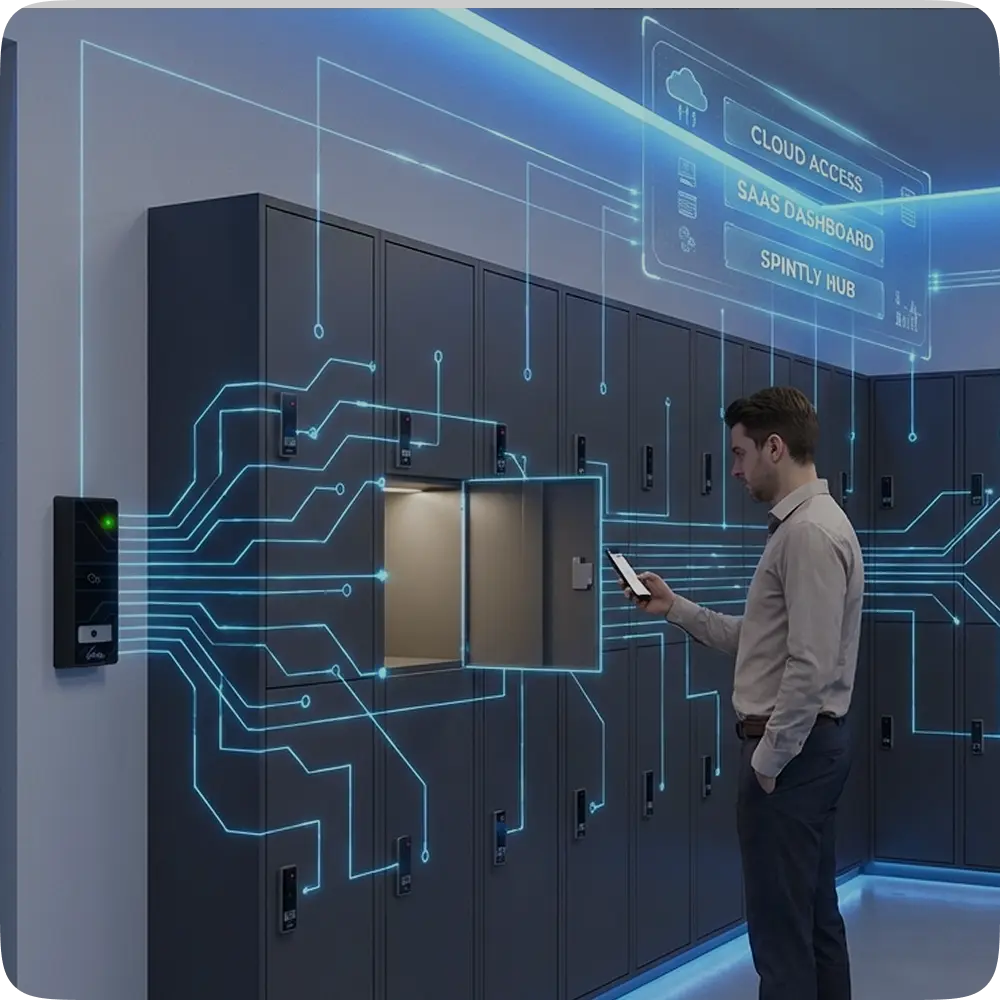
How OptiSpaces.ai Powers Smart Locker Systems with Multi-Credential Access
How OptiSpaces.ai Powers Smart Locker Systems with Multi-Credential Access 12 min reading timeUpdated on July 23,
10 min reading time
Updated on June 16, 2026
Share this article
In today’s rapidly evolving business landscape, commercial buildings are increasingly adopting wireless access control systems to improve security, enhance convenience, and reduce costs. As technology continues to advance, traditional wired access control systems, which rely heavily on physical cables and electric wire ducts, are being replaced by more efficient, flexible, and scalable wireless solutions..
For organizations exploring smart wireless access control options, solutions like Spintly are an example of platforms designed to support remote management, scalability, and streamlined deployments. This guide explores the benefits, considerations, and step-by-step process of upgrading to wireless access control for commercial buildings.
Before delving into the specifics of upgrading, it’s essential to first understand what wireless access control systems are and how they work.
Access control is the practice of regulating who can enter or exit specific areas of a building or facility. Traditional access control systems often use physical credentials like keycards, fobs, or biometric data, along with a network of wires, power supplies, and controllers, all integrated within electric wire ducts that span the building. These systems rely on wired connections to each access point, such as doors, gates, and elevators.
Wireless access control systems, on the other hand, eliminate the need for extensive wiring by allowing communication between access control devices (such as locks, readers, and controllers) via wireless protocols like Wi-Fi, Bluetooth, Zigbee, or other radio frequency (RF) technologies. Instead of being bound by fixed wire paths through electric wire ducts, wireless systems enable more flexible installation and easier scalability.
There are several compelling reasons why upgrading to a wireless access control system is a wise choice for commercial buildings. Some of the most notable benefits include:
Cost Savings
One of the most significant advantages of wireless access control systems is the reduction in installation and maintenance costs. Traditional systems require the installation of numerous electric wire ducts, cabling, and power supplies throughout the building. This can be expensive and time-consuming, especially for large commercial buildings or multi-story facilities.
Wireless access control eliminates the need for extensive wiring, reducing the labor and material costs associated with installation. Additionally, wireless systems often require less ongoing maintenance compared to wired systems, further reducing costs over time.
Scalability and Flexibility
Wireless access control systems are highly scalable. As businesses grow and expand, they can easily add new access points without the need for significant rewiring or modifications to existing infrastructure. Whether it’s a new office, an additional floor, or a new entrance, adding wireless devices is as simple as installing the hardware and integrating it into the existing network.
This flexibility also extends to the ability to manage access remotely. With cloud-based wireless systems, administrators can monitor, control, and modify access settings from virtually anywhere, reducing the need for on-site personnel.
Enhanced Security
Wireless access control systems offer several advantages when it comes to security. Many wireless systems are integrated with advanced encryption technologies to protect data transmission, ensuring that access credentials are transmitted securely. Additionally, wireless systems often come with advanced features like real-time monitoring, remote locking and unlocking, and automatic alerts for suspicious activities.
Because wireless systems use digital protocols, they can be easily integrated with other security systems such as surveillance cameras, alarms, and building management systems, providing a more comprehensive security solution for commercial buildings.
Simplified Installation and Reduced Disruption
In commercial buildings, traditional wired access control systems often require significant disruption to normal operations during installation, particularly if they involve running cables through walls or ceilings. Wireless systems, however, are much easier to install because they don’t require extensive wiring or access to electrical infrastructure. This allows for faster installation with minimal disruption to daily business operations.
Remote Management and Monitoring
One of the most significant advantages of wireless access control is the ability to manage and monitor the system remotely. Cloud-based wireless systems allow administrators to access real-time data, manage user credentials, adjust settings, and monitor activity logs from any location, eliminating the need for on-site visits. This can save valuable time and resources, especially for businesses with multiple locations.
Factors to Consider When Upgrading
Upgrading to a wireless access control system requires careful consideration to ensure a smooth transition and long-term effectiveness. Below are some factors to consider when upgrading your commercial building’s access control infrastructure:
Compatibility with Existing Infrastructure
Before upgrading to a wireless system, it’s essential to assess the compatibility of the new system with existing hardware and infrastructure. In some cases, it may be possible to integrate wireless access control with legacy systems, such as keycard readers or biometric scanners, to create a hybrid solution that leverages the benefits of both technologies.
For example, if the building currently has wired electric wire ducts running through its walls to control access points, it might be worth exploring solutions that combine both wired and wireless elements, allowing for a phased transition.
Wireless Network Coverage
Wireless access control systems rely on a strong and reliable wireless network to function effectively. As part of the upgrade process, it’s important to assess the strength and coverage of your existing Wi-Fi or wireless infrastructure. Areas with weak signal strength or interference may require additional access points or signal boosters to ensure reliable communication between devices.
Integration with Other Building Systems
To maximize the value of a wireless access control system, it’s important to integrate it with other building management systems. These can include security cameras, alarm systems, HVAC controls, lighting, and even elevator management systems. A fully integrated solution ensures seamless operations, improves security, and provides a more efficient overall building management experience.
User Training and Support
While wireless access control systems are generally user-friendly, it’s essential to provide training to employees and administrators to ensure the system is used correctly and efficiently. Additionally, consider the level of ongoing support provided by the system’s manufacturer or service provider. Whether it’s technical assistance, software updates, or troubleshooting, reliable support is crucial for the smooth operation of the system.
Upgrading to a wireless access control system in a commercial building involves several key steps. Here’s a step-by-step guide to help ensure a successful upgrade:
Conduct a Security Assessment
Start by conducting a thorough security assessment of your building’s current access control needs. Identify critical areas that require access control, such as entrance doors, elevators, restricted areas, and storage rooms. Also, evaluate the security risks associated with each area to determine the level of access control required.
Choose the Right Wireless Access Control System
Select a wireless access control system that meets the specific needs of your building. Consider factors such as the number of access points required, the type of users (employees, contractors, visitors), the level of security needed, and the integration options with other building systems.
Look for systems that offer flexibility, scalability, and remote management features. Many cloud-based solutions are available, making them ideal for multi-site businesses or companies with remote management needs.
If you want a starting point to explore a commercial wireless access control option, you can reference solutions like Spintly.
One of the biggest advantages of Spintly is its ability to enable wireless access control even within traditional on-premise setups. This makes it ideal for retrofit projects, where organizations want to modernize their access infrastructure without replacing existing systems. It seamlessly integrates with legacy controllers and protocols, allowing businesses to go wireless while retaining full control, compliance, and on-premise security.
Plan for Installation
While wireless systems eliminate the need for extensive wiring, careful planning is still necessary to ensure a smooth installation. Consider the layout of the building, where the wireless access points will be installed, and how the system will be integrated with existing infrastructure.
Work with a professional installer who can assess the building’s wireless network and ensure there is adequate coverage for the system to function effectively. They can also advise on any necessary upgrades to the existing infrastructure to support the new system.
Install Wireless Devices
Install wireless devices such as readers, locks, and controllers at the designated access points. These devices will communicate with the central system via a secure wireless network. Make sure each device is properly installed and tested before moving on to the next step.
Configure the System
Once the devices are installed, configure the system by setting up user access levels, defining restricted areas, and linking the wireless devices to the central management system. Many wireless access control systems offer easy-to-use interfaces for configuring settings and managing user credentials.
Test the System
Before going live, thoroughly test the wireless access control system to ensure it works as expected. Verify that all access points are functioning properly, that wireless signals are strong and stable, and that users can easily access the areas they’re authorized to enter.
Train Users and Administrators
Once the system is up and running, provide training to users and administrators. Ensure they understand how to use their credentials, manage access levels, and handle basic troubleshooting. Provide administrators with the tools they need to monitor activity logs, make system updates, and respond to security events.
Upgrading to a wireless access control system offers significant benefits for commercial buildings, including cost savings, flexibility, scalability, and enhanced security. With careful planning and the right system, businesses can enjoy the advantages of wireless technology while minimizing the disruptions caused by traditional wired systems. Whether it’s reducing reliance on extensive electrical wiring or enabling easier expansion to new doors and facilities, wireless access control represents the future of secure access in commercial environments. By taking the right steps and ensuring proper integration with existing infrastructure, companies can create a more efficient, secure, and adaptable access control solution for their building needs and evaluate modern platform options (such as Spintly) as part of that selection process.
How OptiSpaces.ai Powers Smart Locker Systems with Multi-Credential Access 12 min reading timeUpdated on July 23,

Designing Role-Based Elevator Access in Multi-Tenant Buildings with OptiSpaces.ai 12 min reading timeUpdated on July 23,
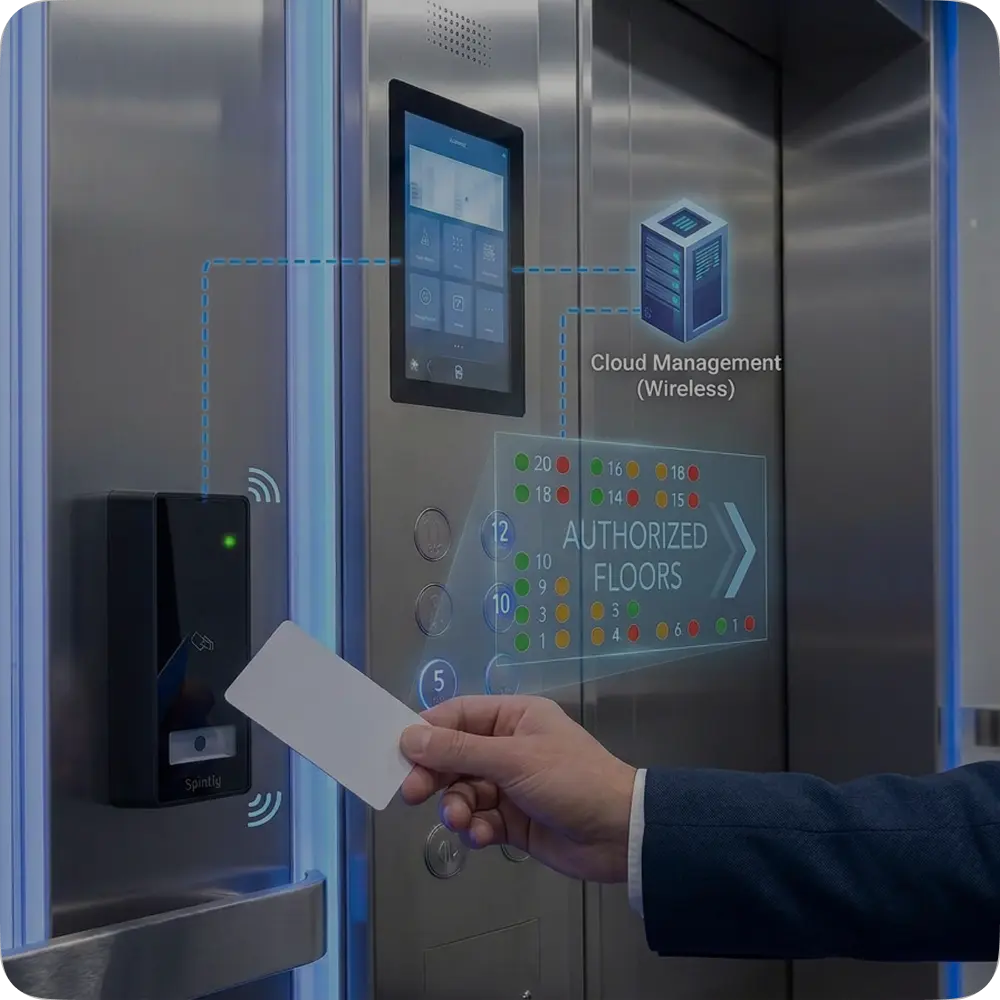
How Elevator Access Control Works in a Wireless, Multi-Credential Environment 12 min reading timeUpdated on July
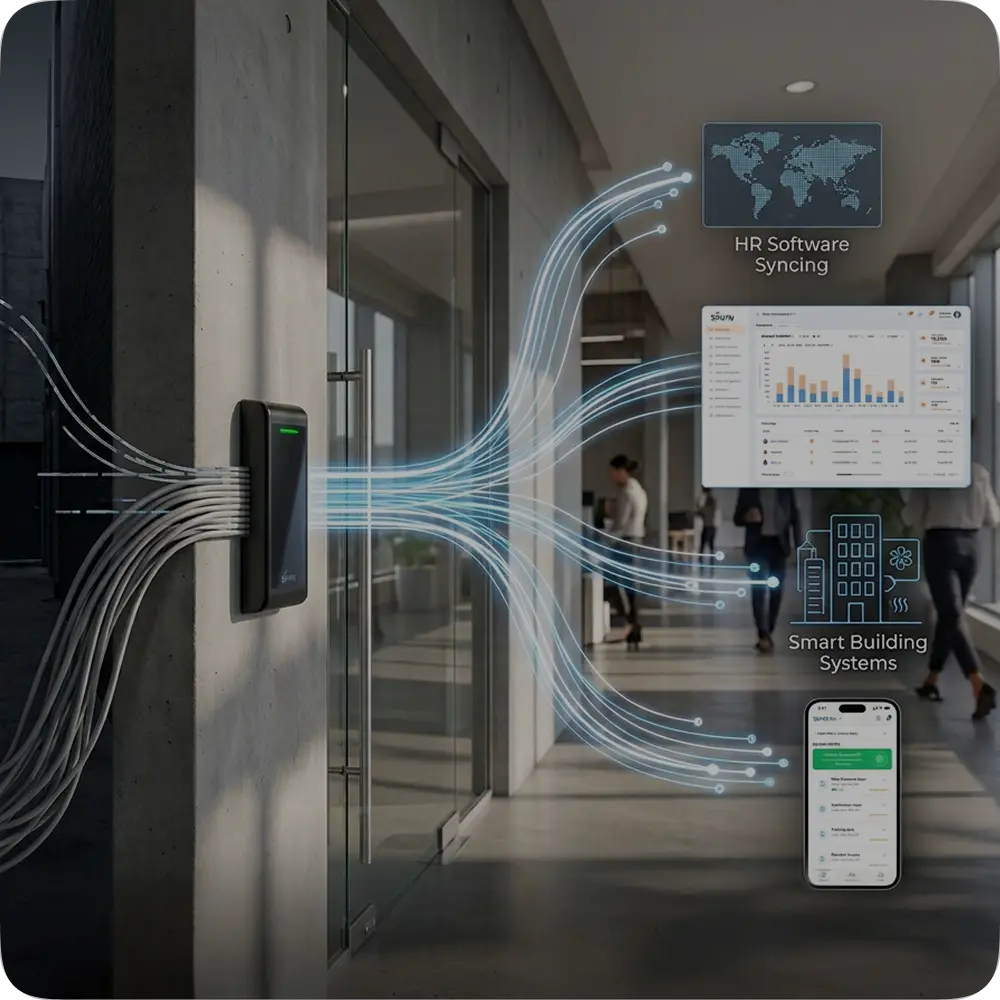
API-First Access Control: Why Openness Wins 7 min reading timeUpdated on July 9, 2026Share this article

Predictive Security: How AI Can Prevent Unauthorized Access 9 min reading timeUpdated on July 9, 2026Share

Smart Access Control in Commercial Real Estate 8 min reading timeUpdated on June 26, 2026Share this

Access Control in Manufacturing: Traceability and Compliance 10 min reading timeUpdated on June 26, 2026Share this
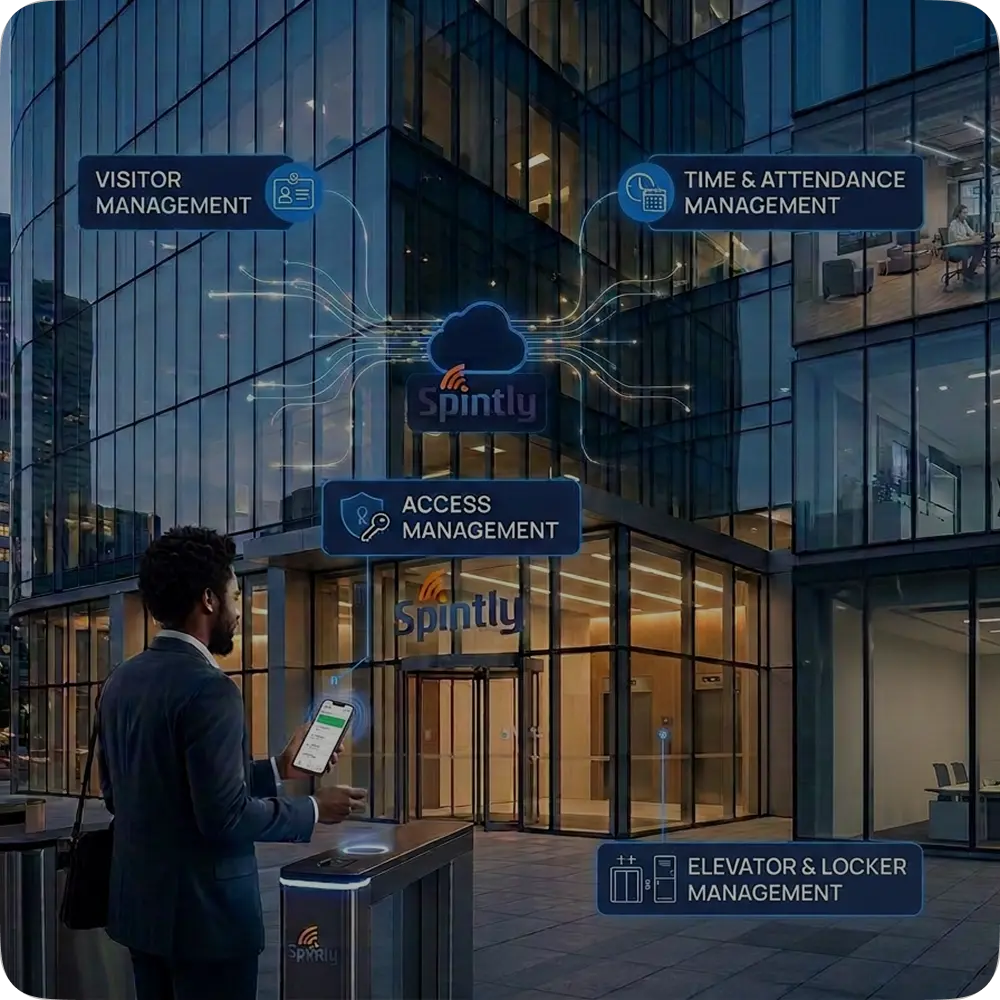
How Access Control Fits into the PropTech Ecosystem 8 min reading timeUpdated on June 26, 2026Share
How Co-Working Spaces Simplify Access with Wireless Systems 10 min reading timeUpdated on June 26, 2026Share
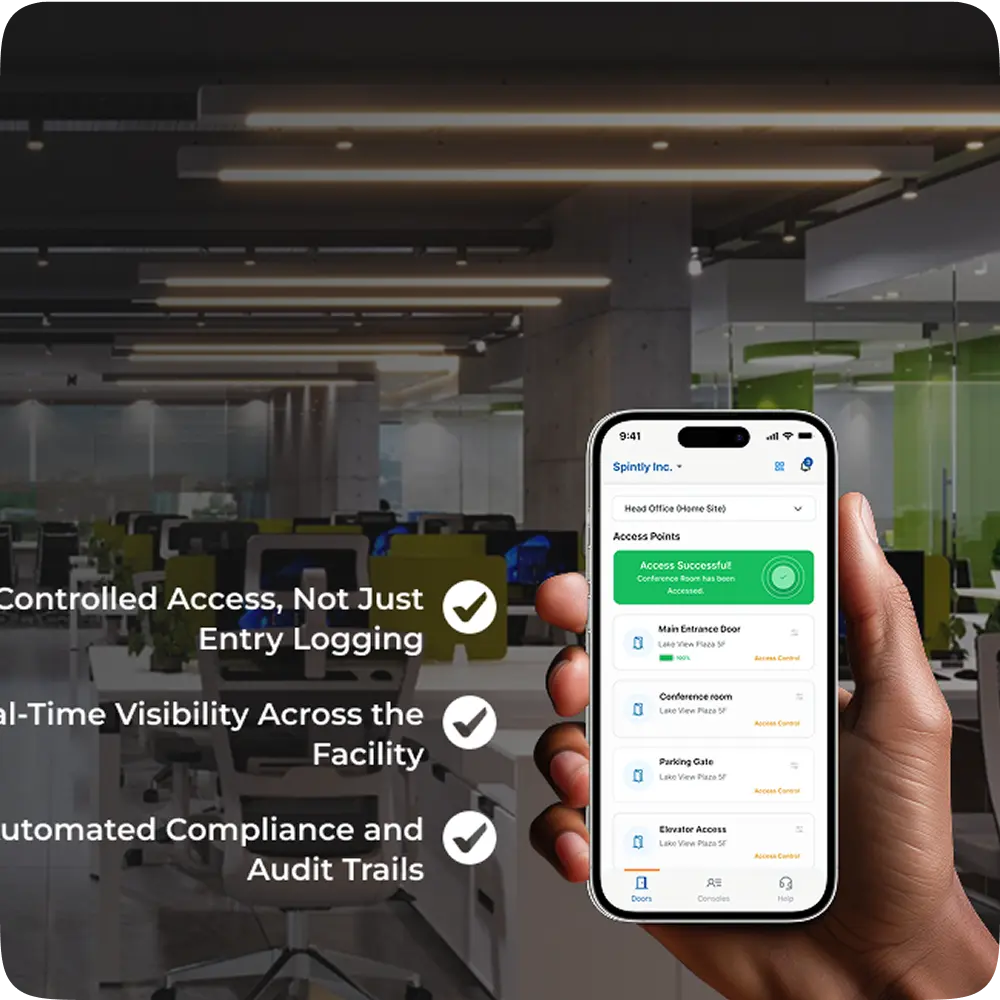
Inside Spintly’s Credential Management Platform- Architecture, Flow, and Core Benefits 10 min reading timeUpdated on May