

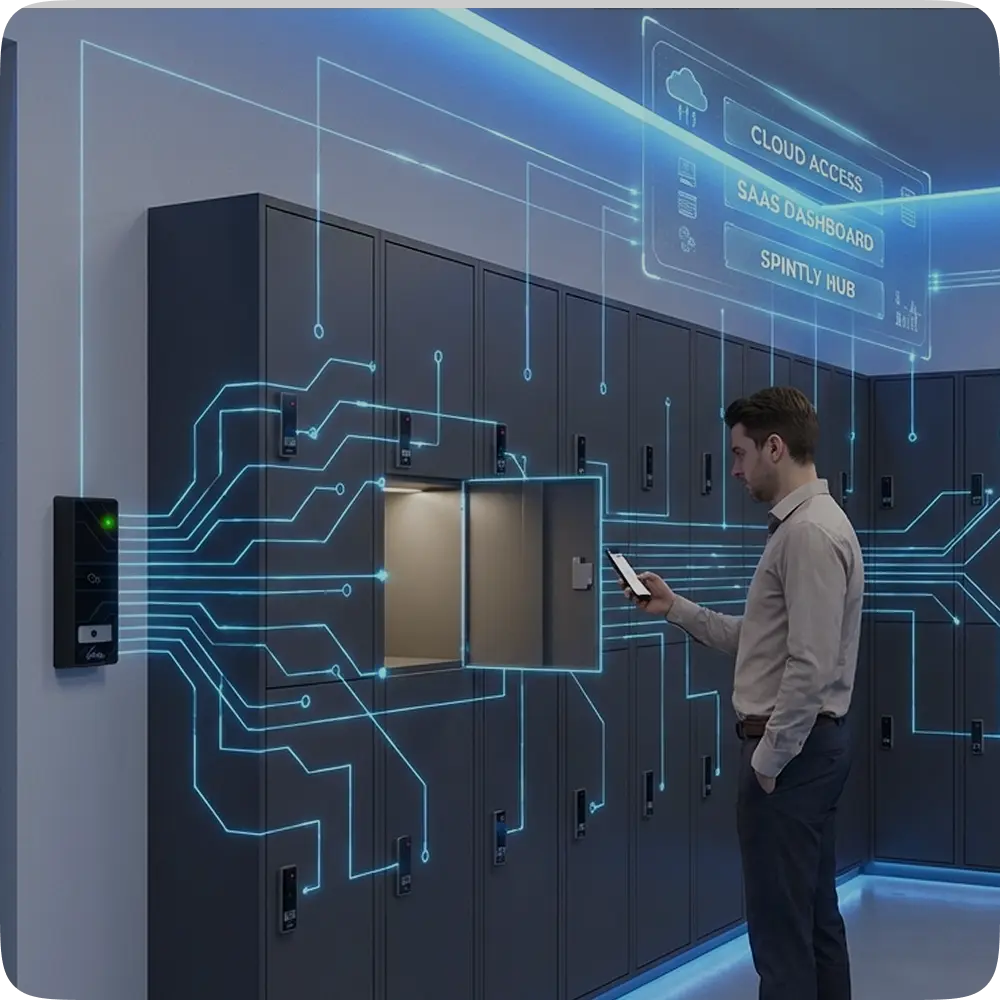
How OptiSpaces.ai Powers Smart Locker Systems with Multi-Credential Access
How OptiSpaces.ai Powers Smart Locker Systems with Multi-Credential Access 12 min reading timeUpdated on July 23,
7 min reading time
Updated on July 9, 2026
Share this article
There is a version of access control that was designed to keep you in. Proprietary hardware. Vendor-locked software. Integrations that require expensive middleware or a call to the original installer every time you need to connect something new.
For a long time, this model worked, largely because buyers did not know to ask for anything different. But the enterprise technology landscape has changed fundamentally. Organisations now run on interconnected platforms, and any system that cannot participate in that ecosystem is not a security asset. It is a bottleneck.
API-first is not a feature. It is a design philosophy. It means the system was built from the ground up to expose its functionality to other software, to share data openly, to be extended without requiring the original vendor’s involvement at every step.
In access control, this matters enormously. An API-first system allows a facilities team to connect their access platform to their HR software, so permissions update automatically when someone joins or leaves. It allows a security operations centre to pull access logs directly into their SIEM. It allows a co-working operator to build a custom member portal on top of the access infrastructure without waiting for a product update from the vendor.
The capability is there. The question is whether the vendor has chosen to expose it.
Enterprise buyers in 2025 are not evaluating access control in isolation. They are evaluating it as one component in a broader technology stack that includes identity management, visitor management, video surveillance, building automation, and HR platforms.
A system that plays well with others is not a nice-to-have. It is a procurement requirement. Increasingly, RFPs for enterprise access control explicitly ask about API availability, webhook support, and third-party integration capability. Vendors who cannot answer these questions clearly are losing deals they do not fully understand they are losing.
A common objection to open, API-driven systems is security. The concern is intuitive: if the system is more open, is it not also more exposed?
The short answer is no, provided the API is built correctly. Modern API security relies on OAuth 2.0, token-based authentication, role-based access controls, and detailed audit logging of every API call. A well-architected API-first system is not less secure than a closed one. It is more auditable because every integration action is logged and traceable.
The real security risk is the closed system that has not been updated in four years because the vendor does not have the margin to maintain it.
Technology roadmaps change. The platforms an organisation runs today may not be the ones it runs in three years. An access control system that is API-first can adapt to those changes without requiring a full rip-and-replace.
This is a financial argument as much as a technical one. The cost of migrating away from a locked-in access control system, factoring in hardware, installation, downtime, and retraining, is significant. Organisations that choose open systems from the start avoid that cost entirely.
Spintly’s platform is built on an API-first architecture, which means integrations with third-party platforms are a core capability rather than an afterthought. Whether the requirement is connecting to an existing HRMS, building a custom application on top of access data, or feeding events into a broader security operations workflow, the platform is designed to support it.
In a market where the value of any individual system is increasingly determined by how well it connects to everything else, openness is not a vulnerability. It is the entire point.
How OptiSpaces.ai Powers Smart Locker Systems with Multi-Credential Access 12 min reading timeUpdated on July 23,

Designing Role-Based Elevator Access in Multi-Tenant Buildings with OptiSpaces.ai 12 min reading timeUpdated on July 23,
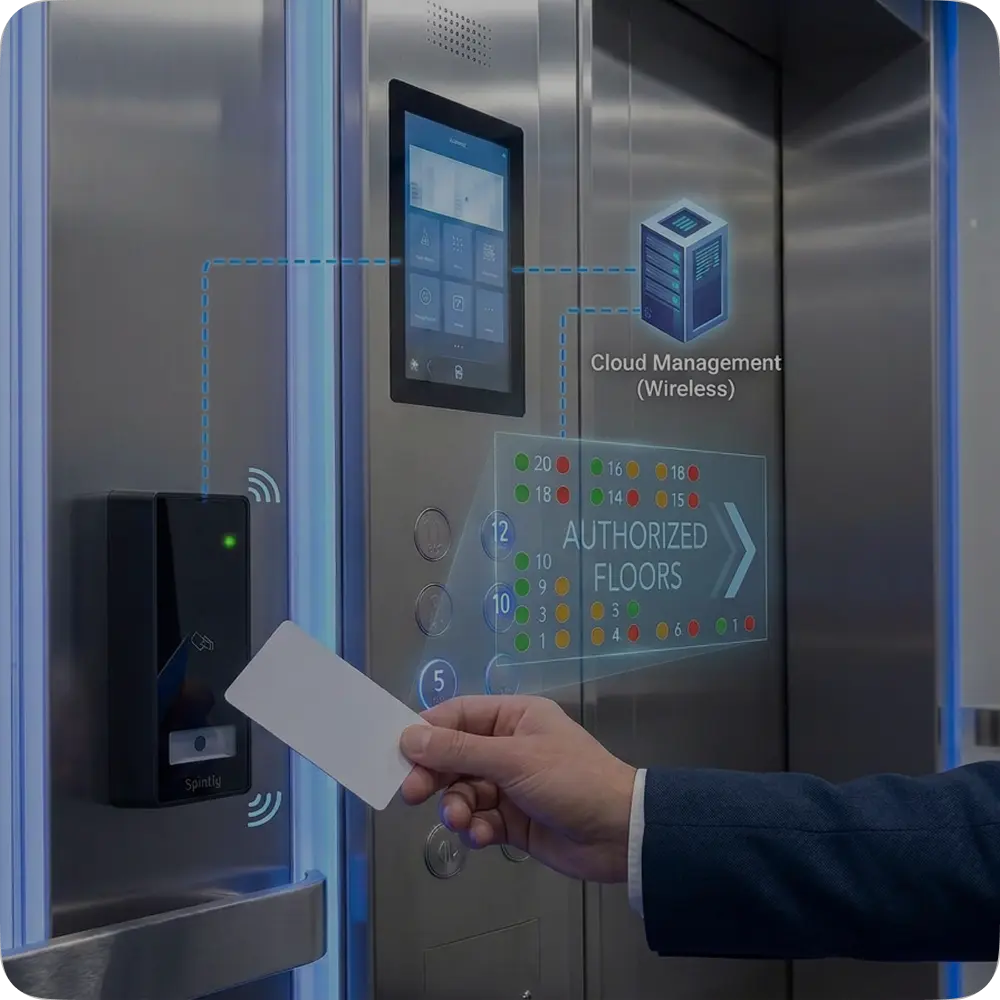
How Elevator Access Control Works in a Wireless, Multi-Credential Environment 12 min reading timeUpdated on July

Predictive Security: How AI Can Prevent Unauthorized Access 9 min reading timeUpdated on July 9, 2026Share
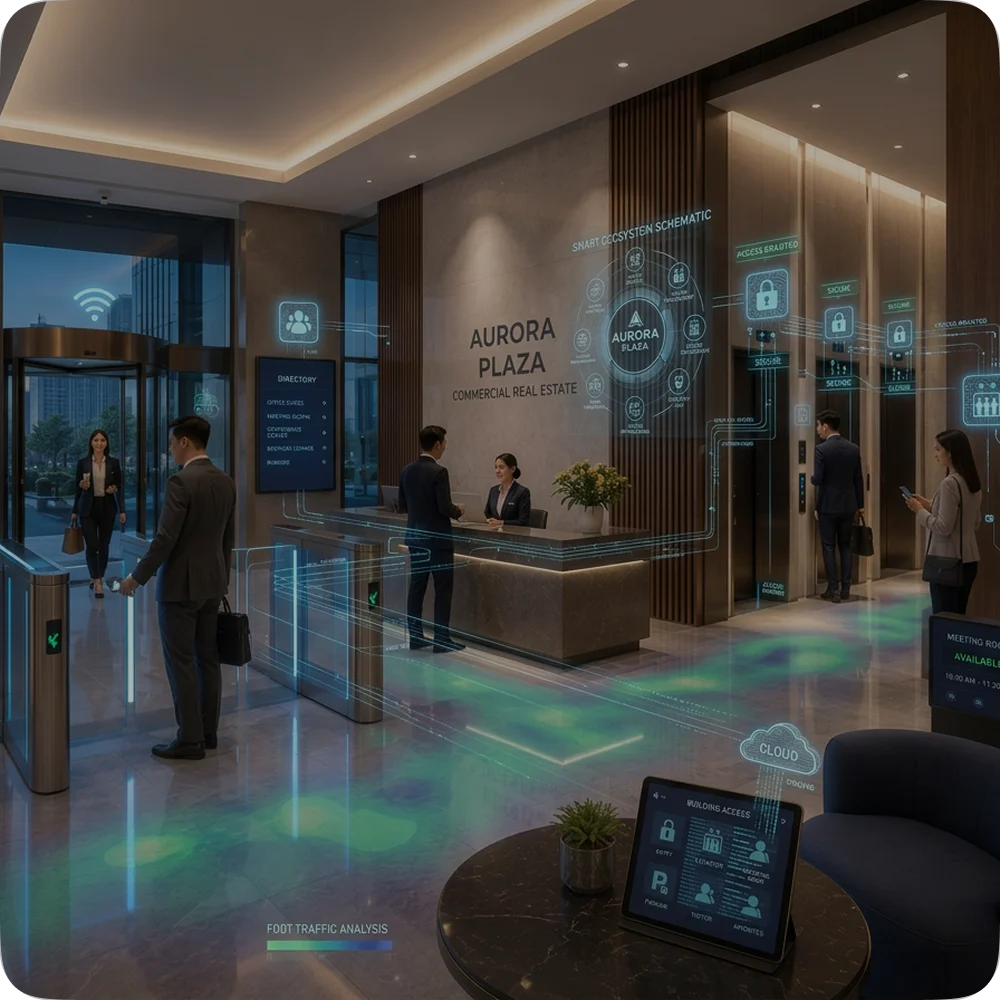
Smart Access Control in Commercial Real Estate 8 min reading timeUpdated on June 26, 2026Share this

Access Control in Manufacturing: Traceability and Compliance 10 min reading timeUpdated on June 26, 2026Share this
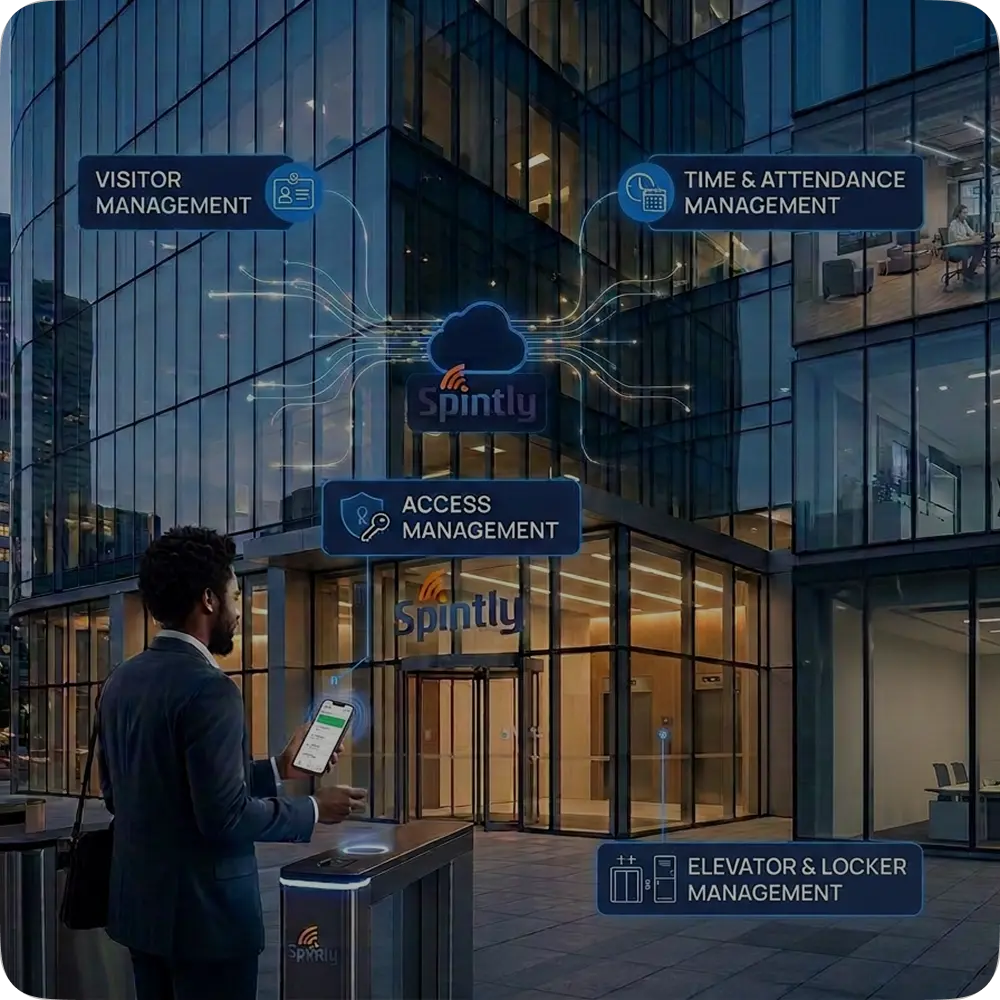
How Access Control Fits into the PropTech Ecosystem 8 min reading timeUpdated on June 26, 2026Share
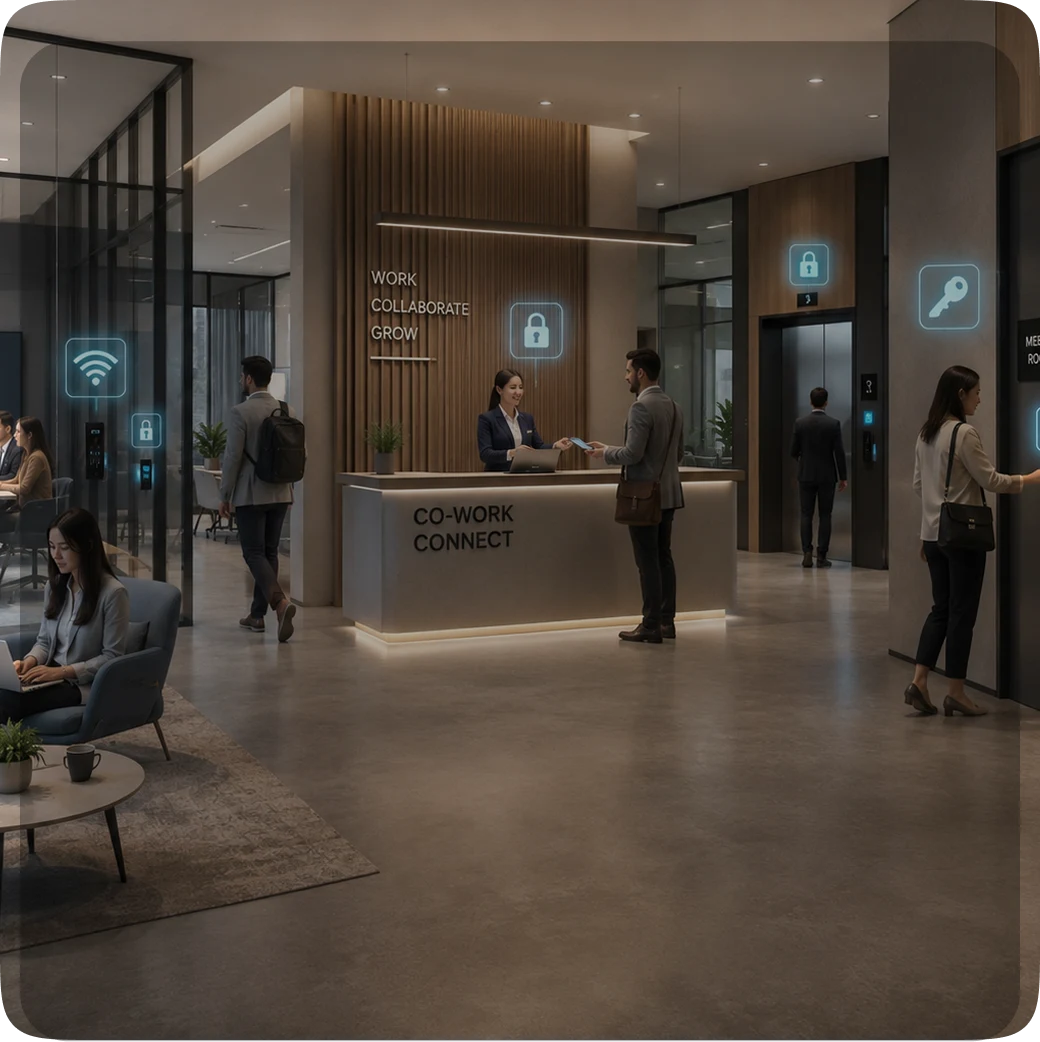
How Co-Working Spaces Simplify Access with Wireless Systems 10 min reading timeUpdated on June 26, 2026Share
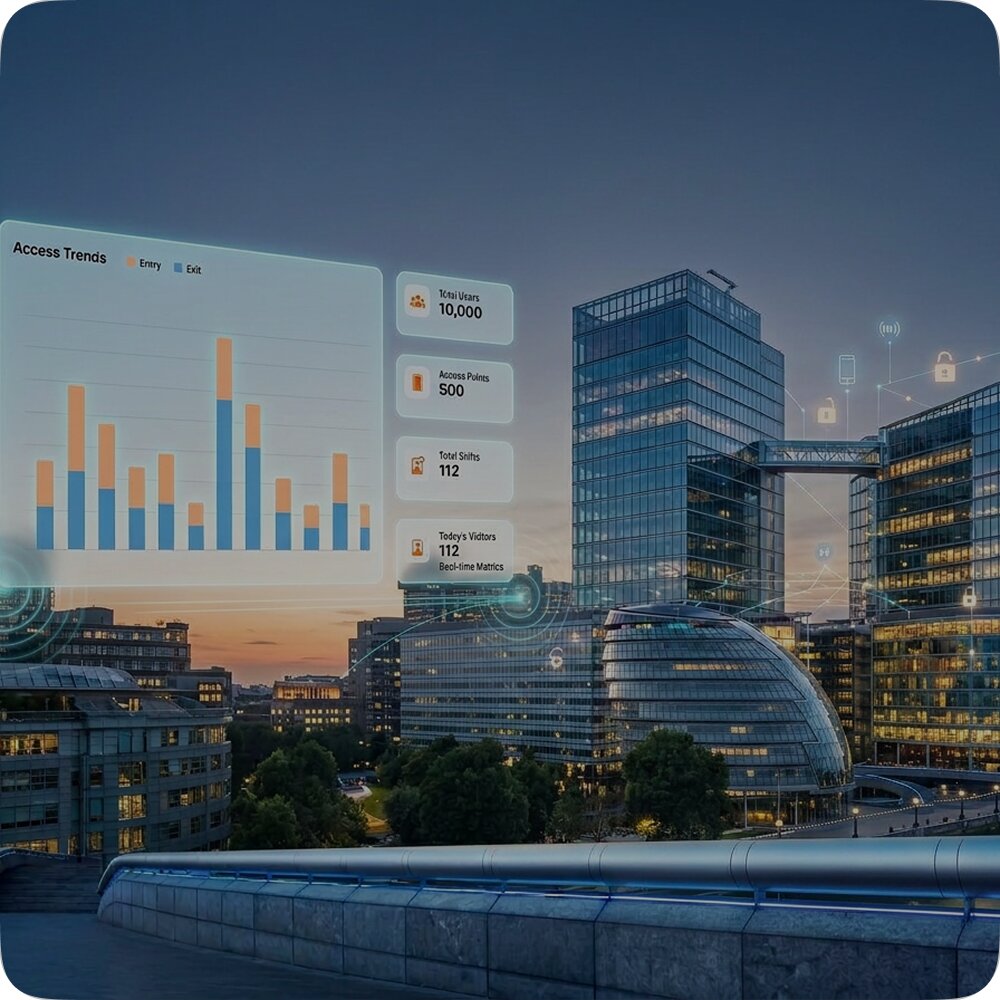
Upgrading to Wireless Access Control: A Guide for Commercial Buildings 10 min reading timeUpdated on June
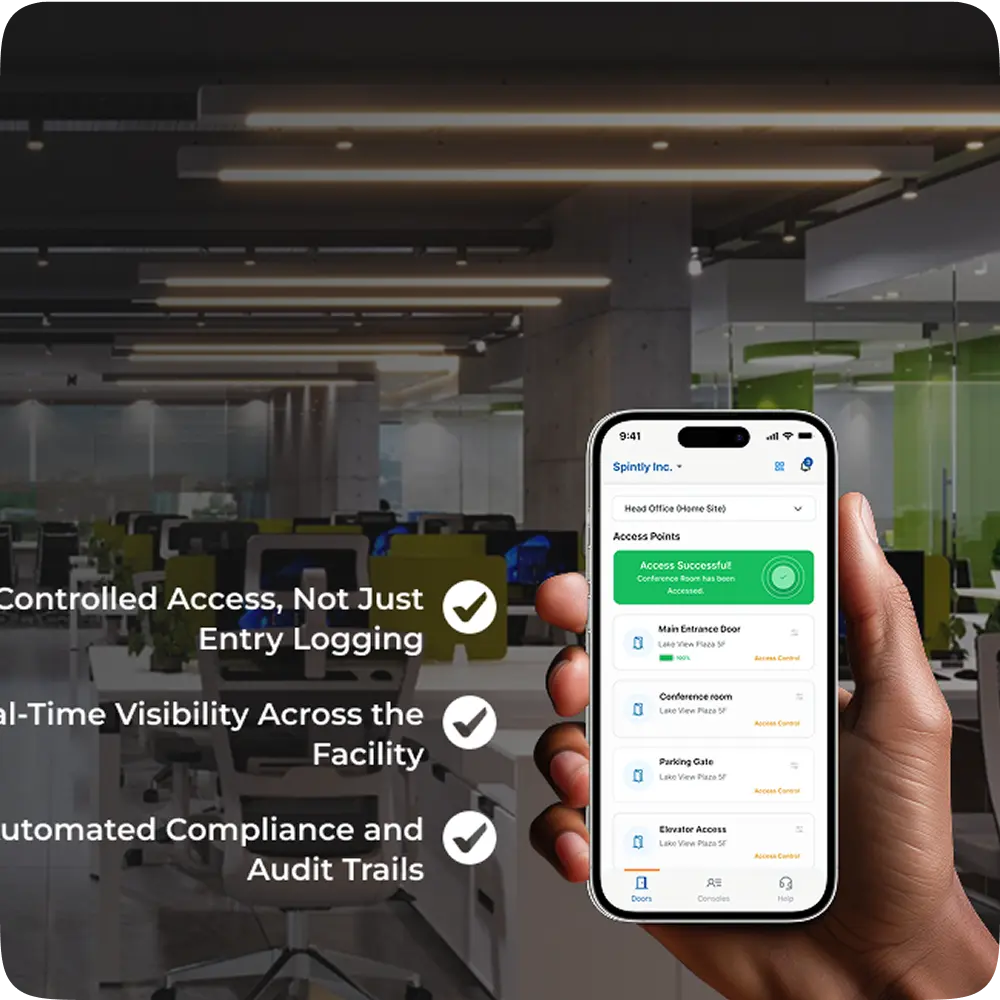
Inside Spintly’s Credential Management Platform- Architecture, Flow, and Core Benefits 10 min reading timeUpdated on May