Spintly

Five reasons why businesses are moving to wireless access control

When you walk into a modern office building today, you’ll notice a difference. You no longer have to struggle with metal keys or wait for someone to let you in. Workers simply wave their phones, and the doors open easily. This is how wireless access control functions, and companies worldwide are making the switch.

If you’ve managed a typical wired access control system, you know how challenging it can be. There are endless runs of cable, high installation costs, and the difficulty of adding just one more door to your system. However, there is a better way, and it is causing businesses to rethink security. Not as an upgrade, but as a solution, many companies are now adopting wireless access control.
1. Costs of installation that make sense

When was the last time you looked forward to a building project? It’s not just about purchasing hardware for traditional access control systems. It involves breaking down walls, routing wires through ceilings, hiring electricians, and paying a lot for conduit installation.

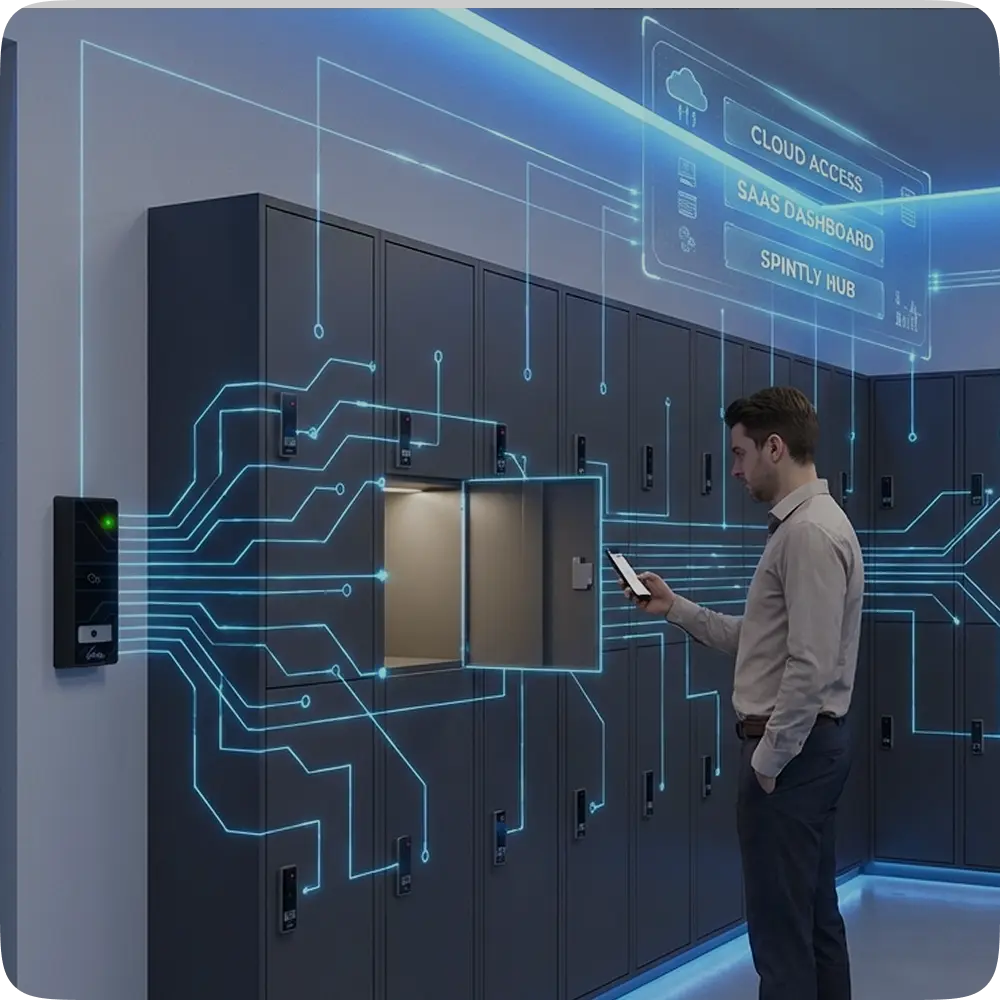
When you consider installation, the advantages of wireless access are clear. Modern wireless systems use Bluetooth mesh technology to reduce costs by approximately 80% for wiring, labour, and conduits. Wireless readers communicate over a mesh network instead of running wires from each reader back to a central server room.

You won’t need to hire contractors to pull cables through finished walls anymore. No more liaising with multiple trades just to secure a conference room. Wireless solutions offer a cost-effective way to manage access, so your budget is spent on security rather than construction. You can establish a new office space in days instead of weeks, making your budget easier to justify.

2. Flexibility that grows with your company

Do you remember when your business was small and managing access was straightforward? Then things started to expand. Suddenly, your “simple” access system turned into a complex web of restrictions.

It’s easy to adjust wireless access control systems. Need to add access points to your warehouse? Done. Opening a new store? No problem. Rearranging the office? Your access system won’t slow you down.

This ability to grow isn’t just about adding doors. You don’t have to call an expert to make changes to cloud-based wireless systems; you can do it with a few taps on your phone. Does the marketing team need after-hours access during a campaign? Contractors on-site for renovations? You can grant temporary access that automatically expires, keeping your locations secure without extra effort.

The benefits of wireless access are not just temporary; your security is as adaptable as your business.

3. Manage access from anywhere

It’s Friday at 7 PM, and you’re at your child’s cricket game when your phone rings. Someone locked themselves out of the building. With a traditional system, your options are limited and can be frustrating.

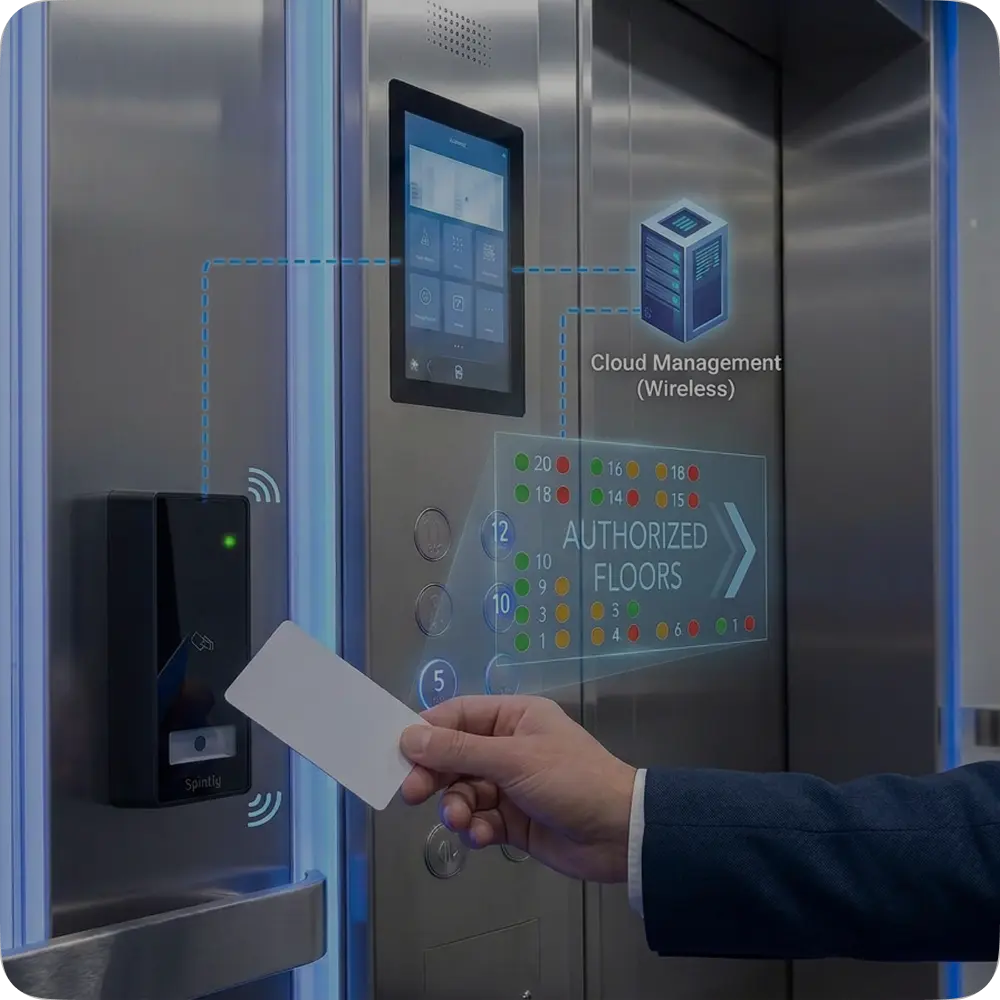
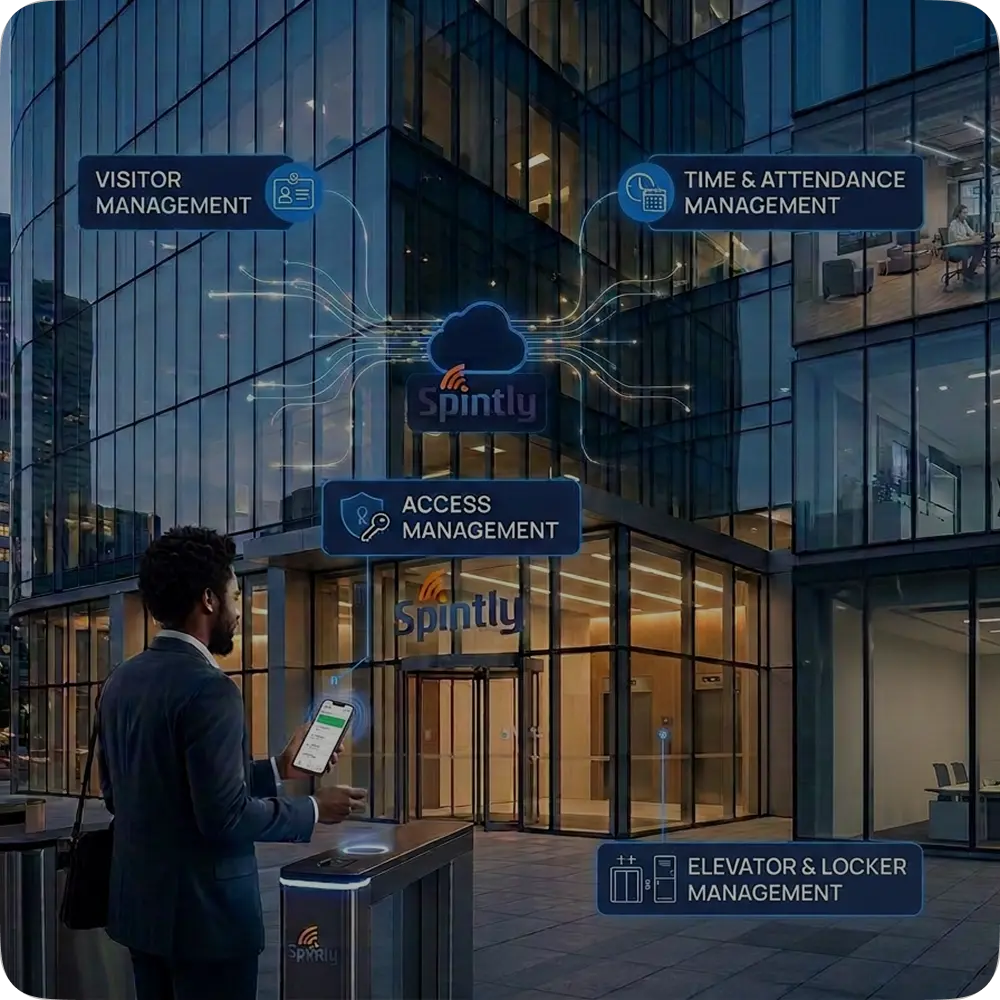
Cloud-based wireless access control changes that. You can manage who enters and exits in real time, whether you’re at the game or on the road. From your phone, you can grant access, see who opened which doors, and receive immediate alerts.

This remote management offers significant access control benefits that reduce costs. No more calls to emergency services. You won’t need to hire security guards for access requests anymore. You have complete control and visibility over all your properties, whether you manage one or several across different cities. You won’t need scheduled downtime for updates since they occur over the air.

4. Integration that really works

If you’re like many facilities managers, you’re tired of systems that don’t communicate. One system is for access control, another for video surveillance, and yet another for guest management.

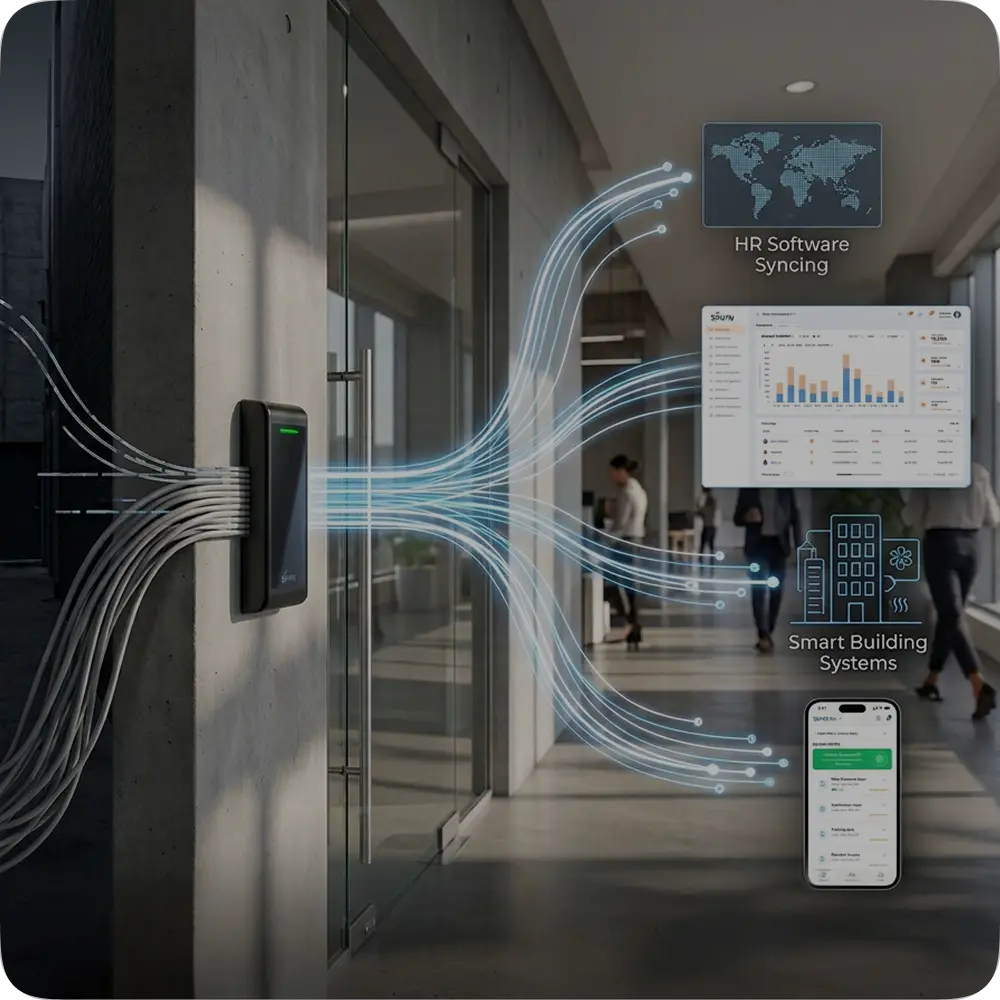
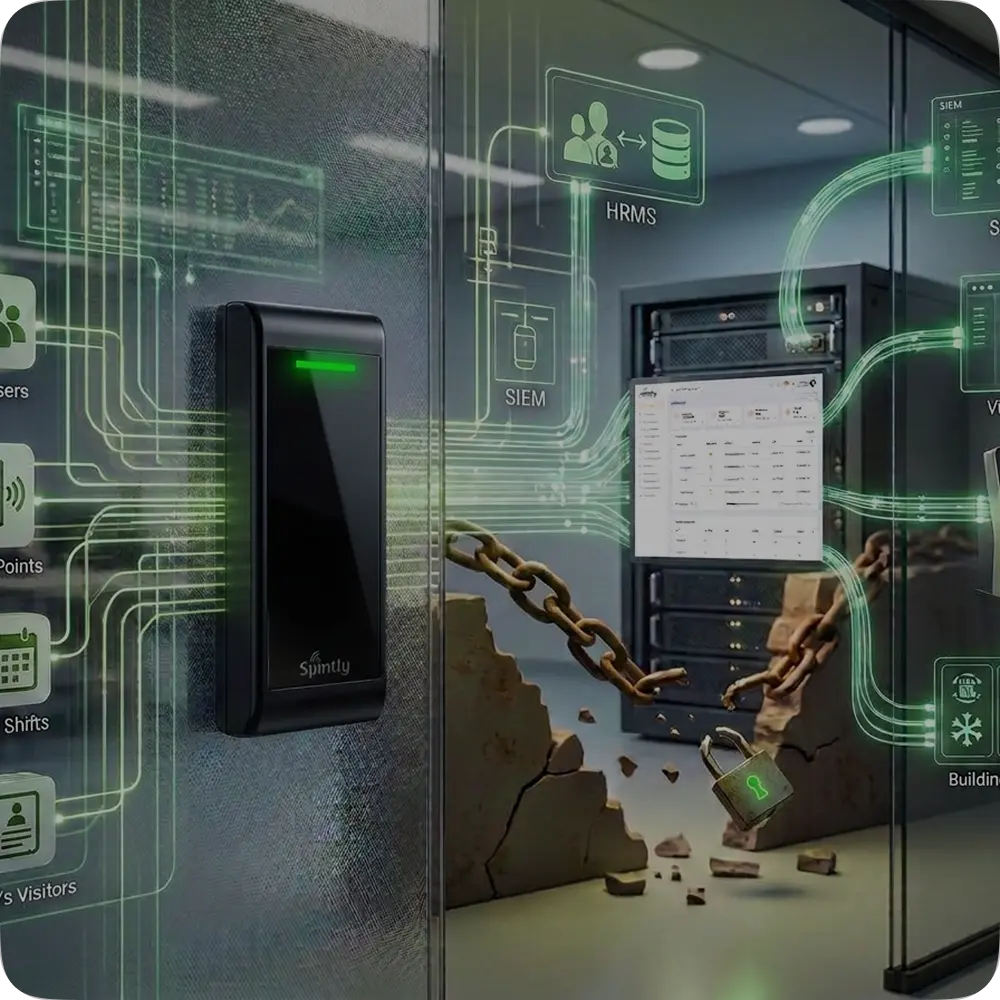
Integration is a key feature of modern wireless access systems. They connect with your property management software, sync with HR systems to automatically onboard and offboard employees, and work with video surveillance to monitor security at all times.

This integration provides clear advantages for wireless access. When an employee leaves, they automatically lose access to all your locations. When a visitor pre-registers, they receive temporary access without any administrative effort. When certain doors are opened, your security cameras automatically record.

This approach simplifies audits for businesses that follow regulations, such as those in healthcare, finance, and law. You can access detailed reports that show who went where and when, and you can even review video evidence if needed.

5. Security that evolves with threats

This is an uncomfortable truth: the technology isn’t the biggest security flaw in most access control systems. It’s the difficulty of updating them. When changes require scheduling and IT involvement, updates get delayed. Suddenly, you’re using security software that’s outdated.

Like your smartphone, wireless access control systems receive updates remotely. Security patches are applied automatically. You don’t have to do anything to get new features. This ongoing improvement is an important cost-saving aspect of access control. You’re not stuck with a system that will become outdated.

With smartphone-based credentials, you won’t worry about losing or copying traditional keys and cards. If an employee loses their phone, you can quickly and remotely deactivate their access from anywhere. Advanced features like multi-factor authentication, time-based restrictions, and detailed audit trails add layers of security that would be too costly to implement in older systems.

It’s easier to switch than you think

Transitioning to wireless access control isn’t nearly as difficult as you might expect. Modern technologies work with existing infrastructure, allowing for phased rollouts and minimizing disruptions.

The benefits of wireless access and the resulting cost savings accumulate quickly. Most companies see a return on investment (ROI) within the first year because they no longer pay for installation or maintenance contracts. When you factor in improved security and more efficient operations, the choice becomes clear.

Wireless access control offers modern organizations the flexibility, security, and cost-effectiveness they need, whether they’re securing a single office or managing facilities across multiple locations.

Want to see how this works in real life?

Switching to wireless access management isn’t just about keeping up with technology. It’s about enhancing how you protect and manage your properties. It means worrying less about wires and keys and focusing more on what truly matters in your business.

Set up a personalized demo with Spintly to see how our cloud-based, fully wireless technology can simplify your security and save you money. Our team will demonstrate how the system adapts to your needs using real-life examples from your industry.

Secure Your Property Today.

Connect with a Spintly Expert within 24 hours.

Get in touch

Explore more blogs