

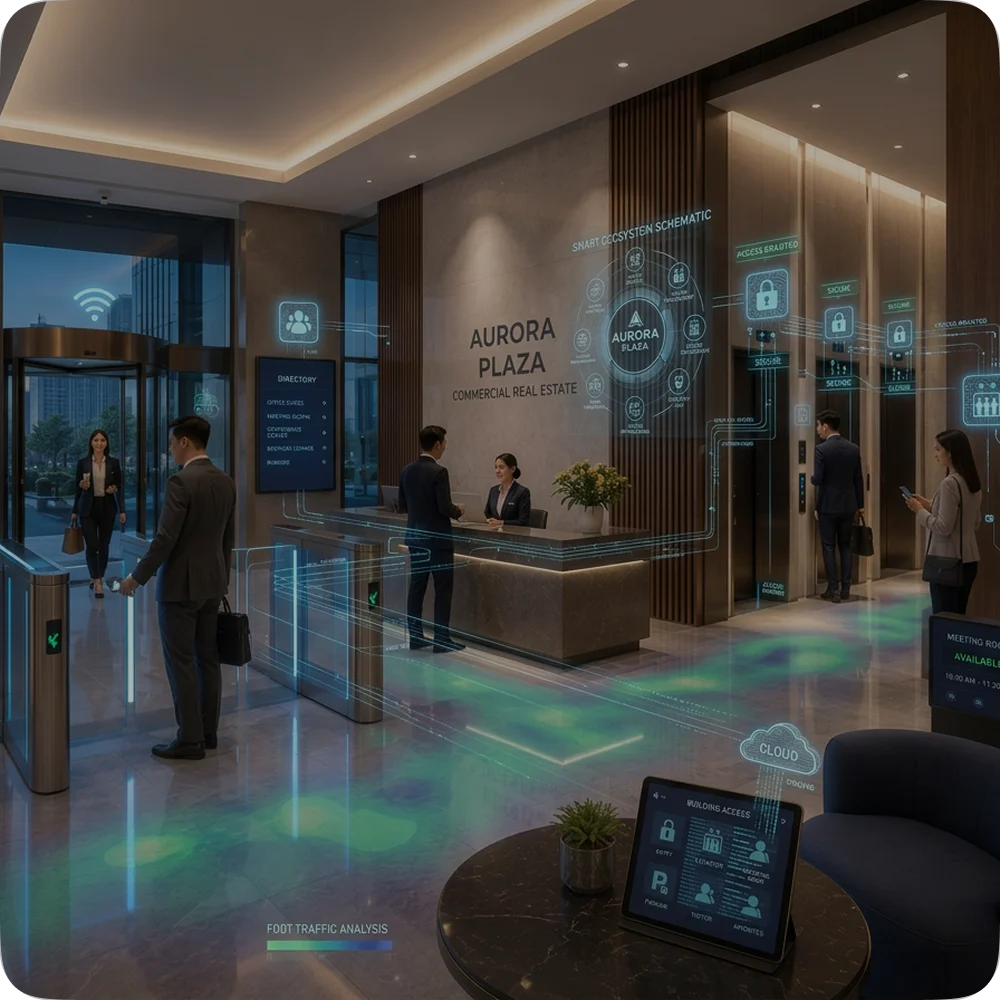
Smart Access Control in Commercial Real Estate
Smart Access Control in Commercial Real Estate 8 min reading timeUpdated on June 26, 2026Share this
10 min reading time
Updated on June 26, 2026
Share this article
Running a co-working space looks simple from the outside.
Desks, meeting rooms, fast internet, good coffee. People come in, get work done, leave. But anyone who actually operates one knows the reality is considerably more complicated.
The membership base changes constantly. Today’s hot desk user is tomorrow’s private cabin member. A startup team of three becomes a team of twelve. A freelancer’s access needs to be suspended while they travel for a month. A visitor needs temporary entry for one afternoon. All of this is happening simultaneously, across possibly multiple locations, and someone has to manage it.
For a long time, that someone was a community manager sitting at the front desk, handling physical keys and RFID cards, fielding access complaints, and manually updating permissions every time something changed. It was a workable system. It was also a significant operational drain.
The problem with physical credentials in a flexible environment
Co-working spaces are built on flexibility. That is the entire value proposition. Members want to come and go on their own schedule, access the spaces relevant to their membership tier, and not have to deal with friction at every door.
Physical keys and cards work against that model in a fundamental way.
Every new member needs a card issued. Every departing member needs that card collected and deactivated. Every lost card is a support ticket, a security risk, and a replacement cost. In a space with dozens or hundreds of active members and a constantly rotating roster, the administrative overhead adds up quickly.
There is also the access level problem. Co-working spaces typically have multiple zones. Common areas, private cabins, dedicated desks, meeting rooms, server rooms, storage areas. Different members need different levels of access based on their plan. Managing that granularity with physical cards is cumbersome and prone to error.
Wireless access control, built on BLE or NFC technology, replaces the physical card with the member’s smartphone. Access is provisioned digitally, managed from a cloud dashboard, and can be updated in real time from anywhere.
When a new member joins, their access is set up instantly. When a membership expires or is downgraded, access permissions update automatically. When someone needs temporary entry for a specific zone on a specific day, that can be configured in minutes without anyone needing to be physically present.
For operators managing multiple locations, this is particularly valuable. A single dashboard gives visibility across all sites. Access policies can be standardised or customised per location. There is no need to visit each branch to make updates or troubleshoot reader issues.
The audit trail is another significant upgrade. Every entry event is logged with a timestamp and user identity. If something goes wrong, the data is there. For enterprise tenants who have compliance requirements around physical security, that audit capability is not a nice-to-have. It is a requirement.
Members at co-working spaces are often professionals from tech, finance, consulting, and creative industries. They are accustomed to well-designed digital experiences. Handing them a plastic card and asking them to not lose it does not align with the kind of environment most operators are trying to create.
Smartphone-based access fits naturally into how these members already move through their day. Their phone unlocks their laptop, authenticates their banking app, and boards their flights. Having it also open the door to their workspace is a logical extension of that behaviour. It removes a small but real point of friction from the daily experience.
For operators, that experience quality translates directly into retention. Members who find the space easy and frictionless to use are more likely to renew.
One of the most common growth challenges for co-working operators is that scaling a location or adding a new branch tends to multiply operational complexity proportionally. More members means more cards. More locations means more staff. The economics get harder as the business gets bigger.
Wireless access control breaks that relationship. Adding a new member does not require physical intervention. Opening a new location does not require a separate access management system. The same cloud platform scales horizontally without a corresponding increase in administrative workload.
For operators with ambitions to grow beyond one or two locations, that scalability is a foundational requirement
Spintly’s wireless access control platform is designed for exactly this kind of environment. The system is fully cloud-based, mobile-first, and built to handle the dynamic access requirements of co-working and shared workspace operators.
Members get smartphone-based entry via BLE and NFC. Operators get a cloud dashboard with real-time visibility, granular access controls, and visitor management built in. The platform integrates with existing property management and HR systems, so access permissions can stay in sync with membership status automatically.
For co-working operators looking to simplify operations and improve the member experience at the same time, it is a practical and proven solution.
Smart Access Control in Commercial Real Estate 8 min reading timeUpdated on June 26, 2026Share this

Access Control in Manufacturing: Traceability and Compliance 10 min reading timeUpdated on June 26, 2026Share this
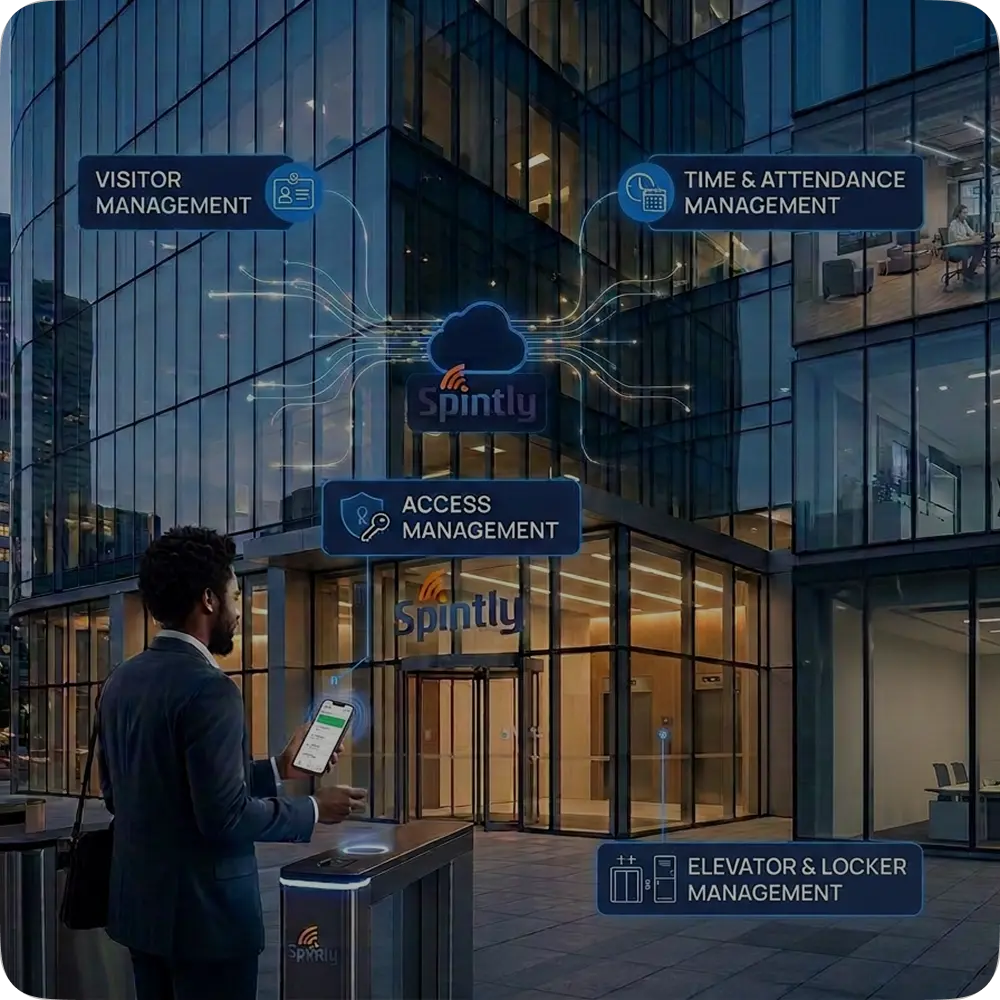
How Access Control Fits into the PropTech Ecosystem 8 min reading timeUpdated on June 26, 2026Share
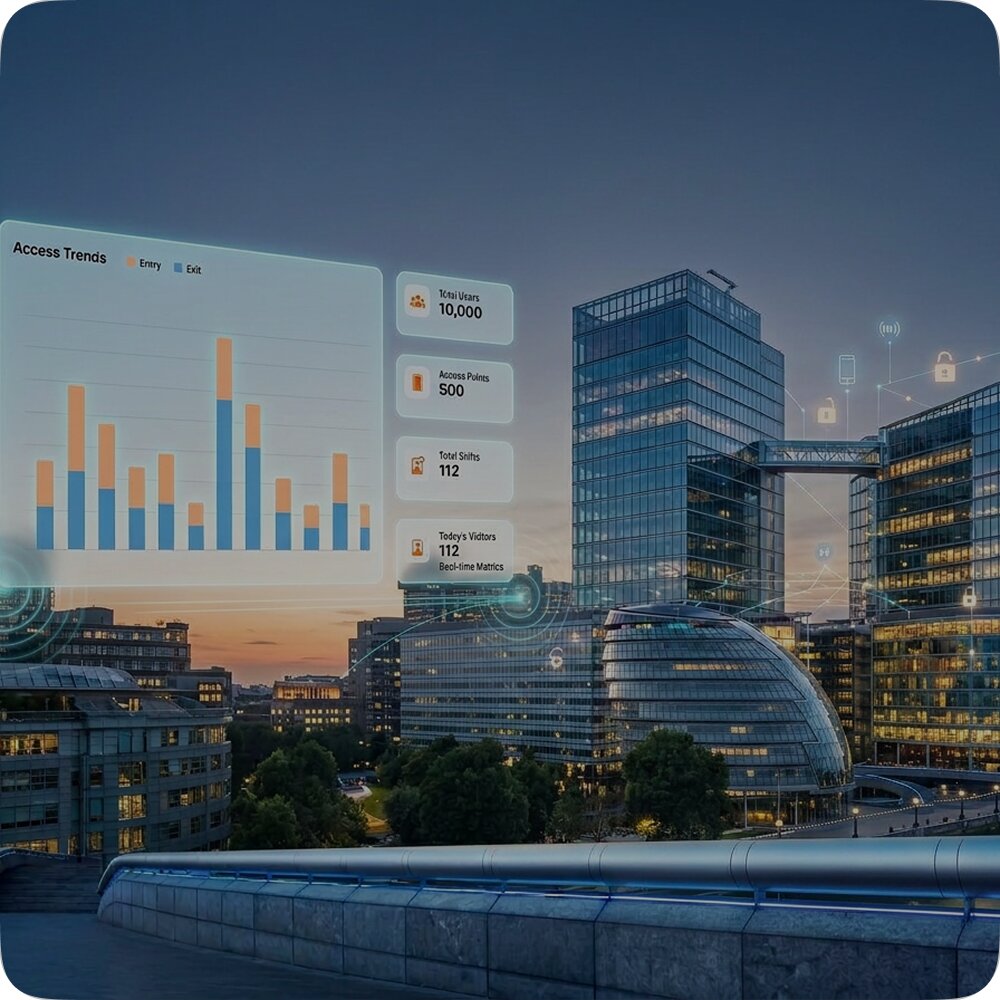
Upgrading to Wireless Access Control: A Guide for Commercial Buildings 10 min reading timeUpdated on June
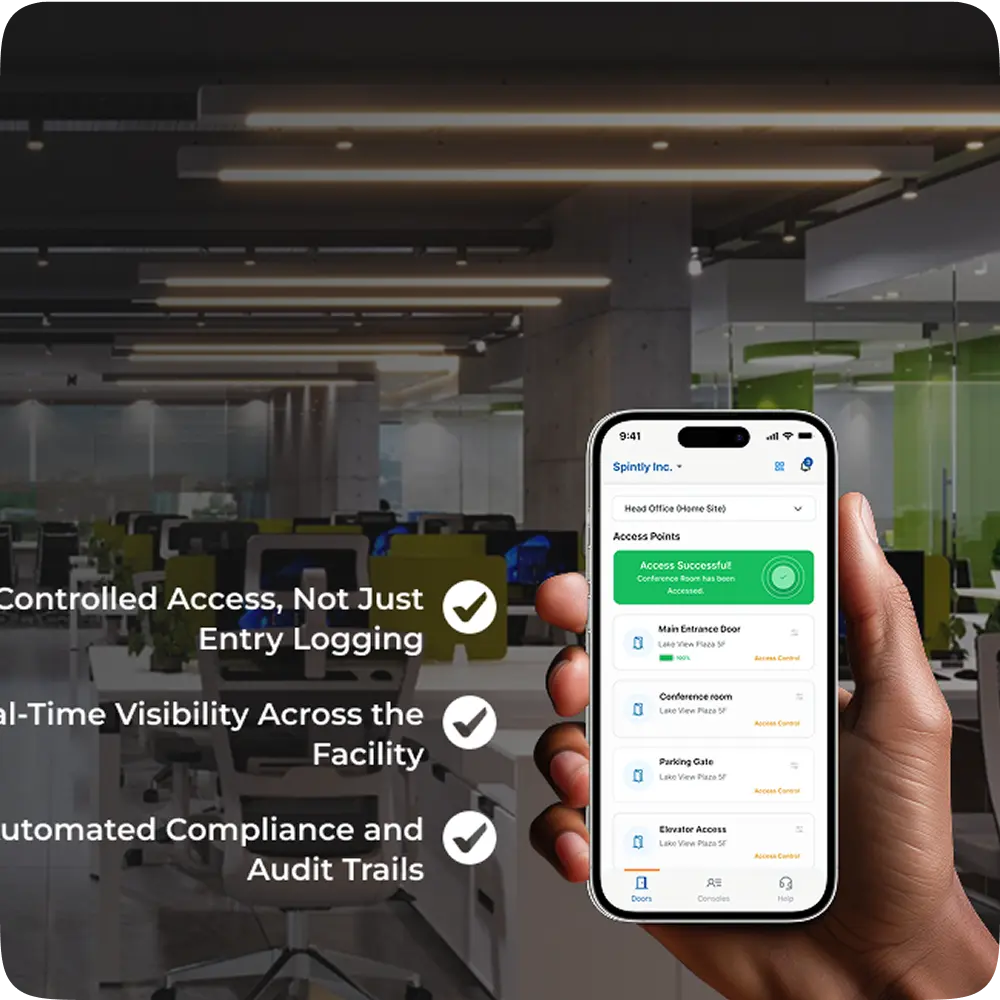
Inside Spintly’s Credential Management Platform- Architecture, Flow, and Core Benefits 10 min reading timeUpdated on May
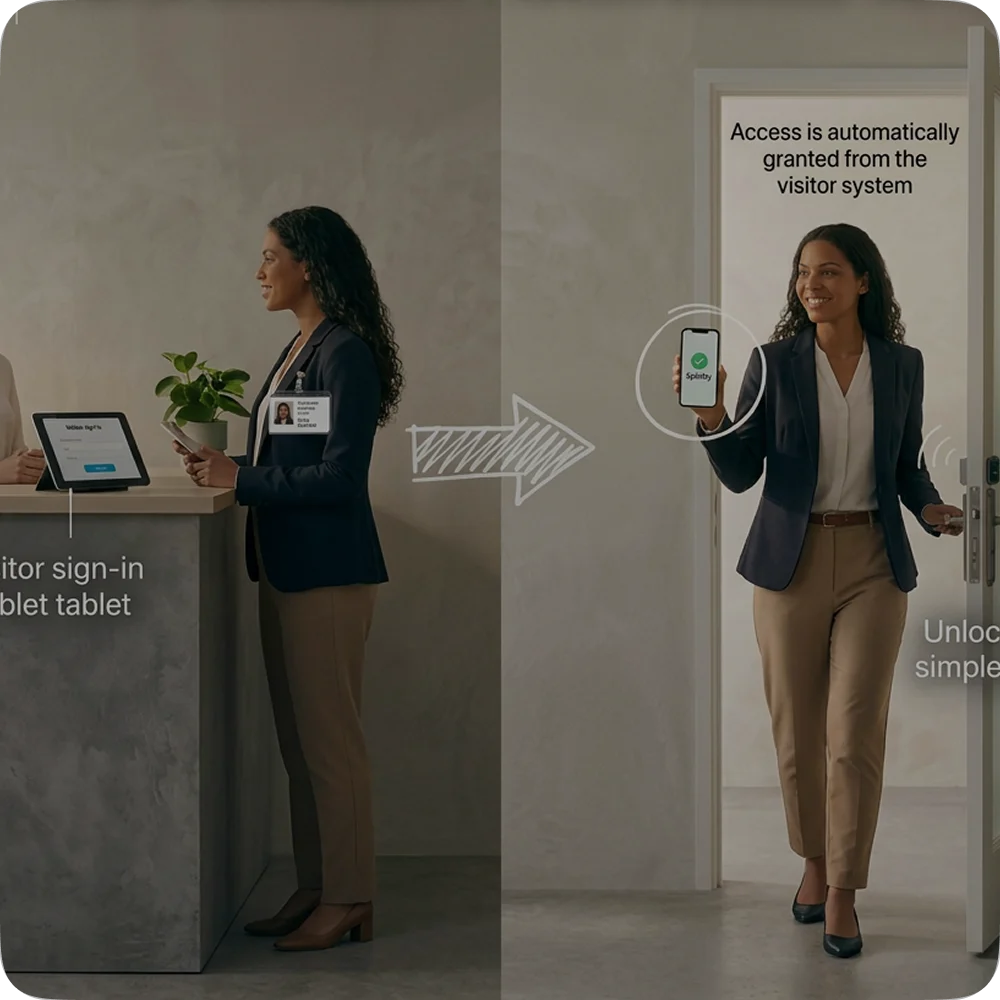
Visitor Management + Access Control: The Perfect Duo Walk into any modern workplace today, and you’ll
The Role of AI in Modern Access Control Systems Access control has always come down to
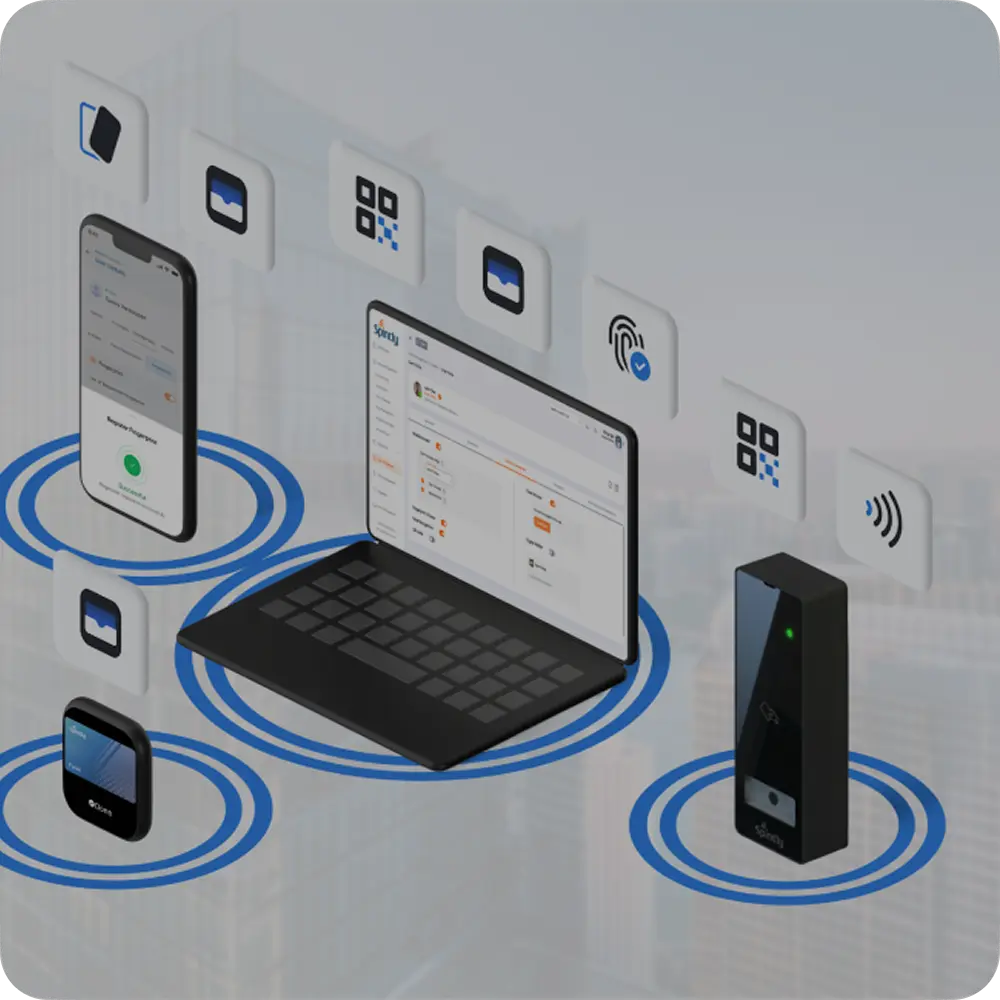
Introducing Scypher- Spintly’s Credential Management Platform for Digitising Access Control For decades, enterprise access control has
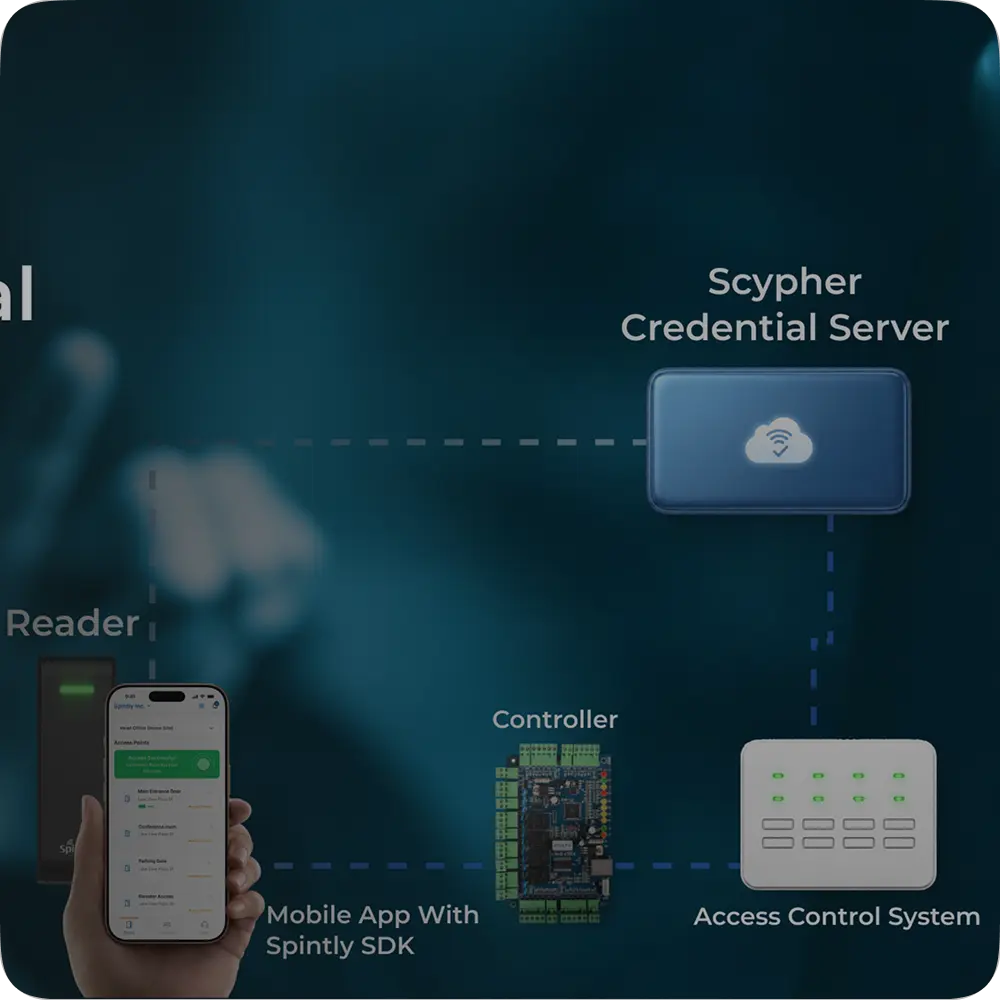
Inside Spintly’s Credential Management Platform- Architecture, Flow, and Core Benefits In the first blog, we discussed
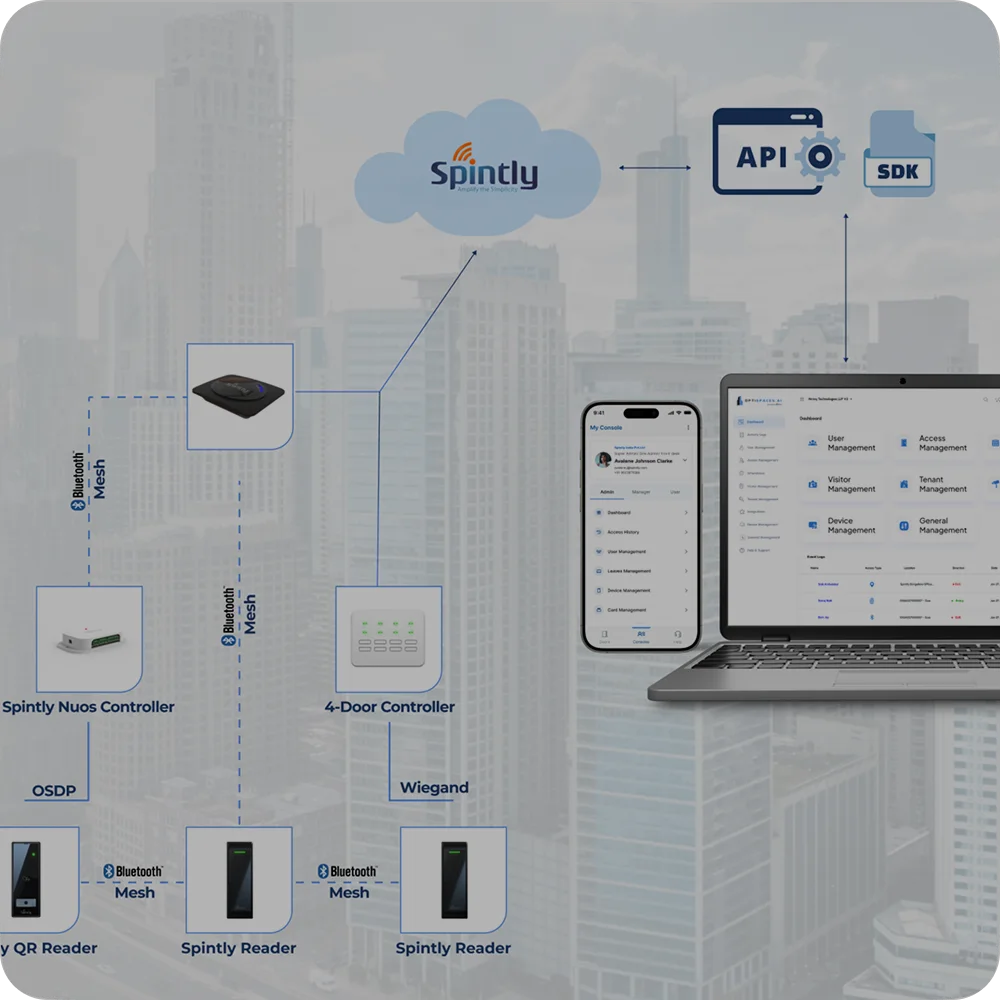
Comparing Access Control Architectures: Wiegand vs OSDP vs BLE Mesh Access control systems rely on communication