

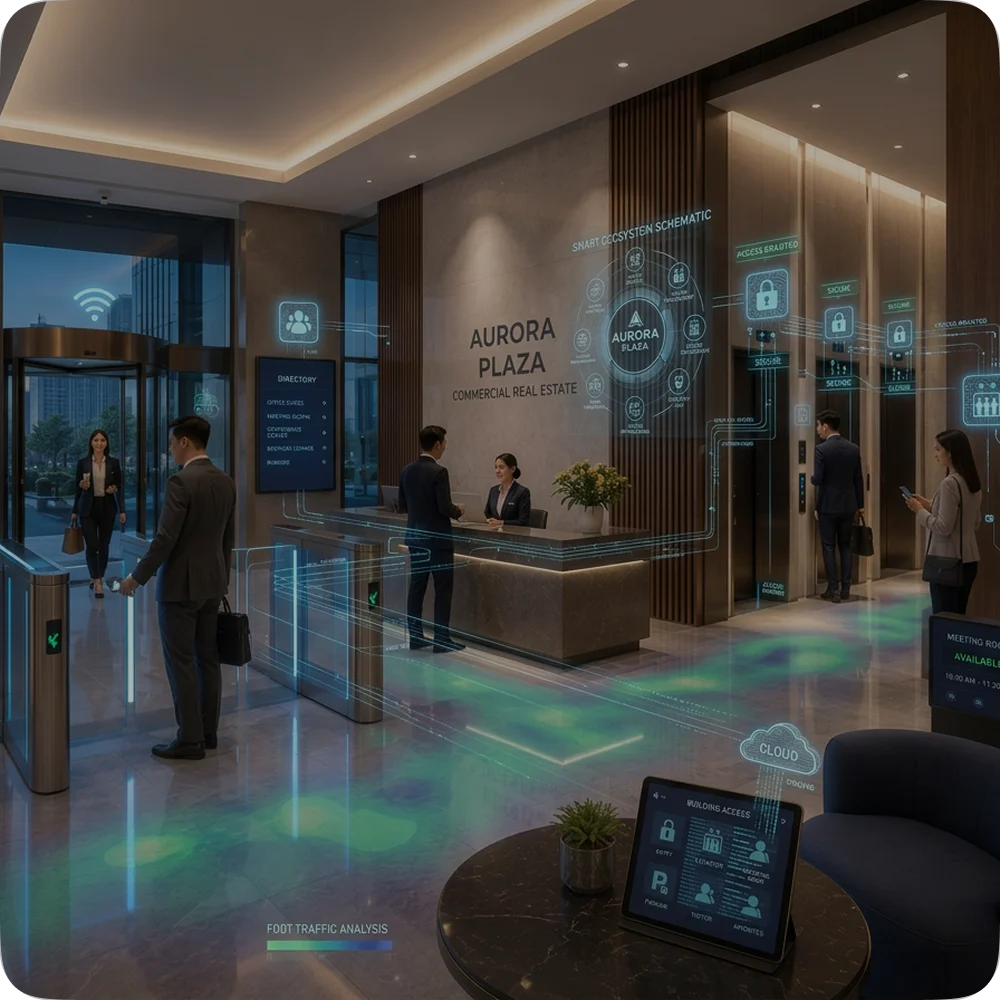
Smart Access Control in Commercial Real Estate
Smart Access Control in Commercial Real Estate 8 min reading timeUpdated on June 26, 2026Share this
8 min reading time
Updated on June 26, 2026
Share this article
For a long time, the conversation around PropTech stayed comfortably on the surface. Digital lease agreements. Virtual property tours. Automated rent collection. These were the visible wins, the ones that made it easy to pitch “technology” to a skeptical real estate industry.
But the deeper transformation was always going to happen at the infrastructure level. And access control, quietly, has become one of the most consequential pieces of that puzzle.
Modern commercial real estate is no longer just a physical asset. It is a data-generating, experience-delivering platform that tenants evaluate not just on square footage or location, but on how well it works. How seamlessly it integrates into the way their teams operate.
This shift has put enormous pressure on building operators and facility managers. Tenants now expect their office to behave more like software than concrete. They want frictionless entry, visibility into space utilisation, and systems that talk to each other without requiring a helpdesk ticket every time something needs updating.
Access control sits at the centre of this expectation. It is the first point of physical interaction between a person and a building. Get that experience right, and everything downstream feels intelligent. Get it wrong, and no amount of smart lighting or occupancy sensors will save the tenant experience.
The integration story here is not theoretical. Building management systems, visitor management platforms, HR software, and IoT infrastructure are increasingly built to communicate. Access control systems that operate on open standards, particularly those that support BLE, OSDP, and API-based connectivity, are the ones that slot naturally into this ecosystem.
A sales team that grows by thirty people does not want to spend a week provisioning new access cards. They want their HR platform to trigger access automatically when a new employee is onboarded. A co-working operator does not want to manage five separate dashboards for five floors. They want one interface, with granular control, that responds in real time.
This is not a luxury ask. It is table stakes in 2025.
One area where PropTech and access control intersect with particular complexity is multi-tenant buildings. A single tower might house a fintech startup, a law firm, a media company, and a government contractor, each with entirely different security requirements and compliance obligations.
Legacy systems handled this badly. They were installed per tenant, managed in silos, and required physical intervention for almost any change. The result was a security infrastructure that was expensive to maintain, impossible to scale, and frustrating for everyone involved.
Cloud-managed access control changes this equation. A single platform can support multiple tenants with independent permission structures, audit logs, and administrative controls, all managed remotely. Building operators get visibility across the entire asset. Tenants retain autonomy over their own spaces. Nobody needs to be on-site to make it work.
ESG commitments have moved from boardroom aspirations to lease requirements in many markets. Tenants are asking hard questions about energy consumption, and building operators are being held accountable for the answers.
Access control data, specifically occupancy patterns and real-time utilisation metrics, is increasingly being fed into building energy management systems to reduce waste. Lights, HVAC, and other building services can be calibrated against actual usage rather than assumed schedules. It is a small but measurable contribution to a larger sustainability goal, and it is one that smart building operators are already acting on.
Spintly was built with this ecosystem in mind. Its cloud-first, mobile-native architecture means it integrates cleanly with the platforms that PropTech operators are already running. BLE Mesh technology allows for scalable, infrastructure-light deployments across large commercial properties. And because it supports open standards like OSDP and offers API connectivity, it does not ask property teams to rip out what they have already built.
For building operators who are serious about delivering a modern tenant experience, access control is not a security checkbox. It is a competitive differentiator. And the systems that understand that are the ones shaping what PropTech looks like next.
Smart Access Control in Commercial Real Estate 8 min reading timeUpdated on June 26, 2026Share this
Access Control in Manufacturing: Traceability and Compliance 10 min reading timeUpdated on June 26, 2026Share this
How Co-Working Spaces Simplify Access with Wireless Systems 10 min reading timeUpdated on June 26, 2026Share
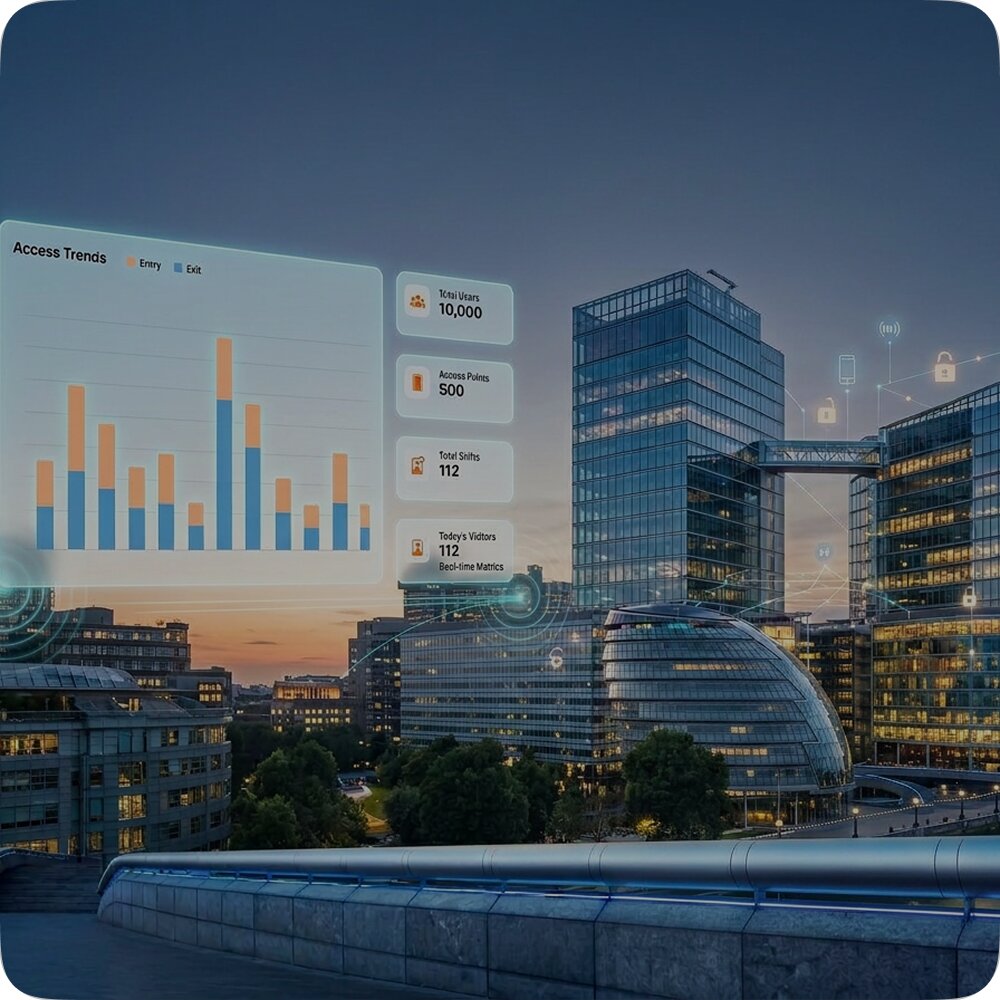
Upgrading to Wireless Access Control: A Guide for Commercial Buildings 10 min reading timeUpdated on June
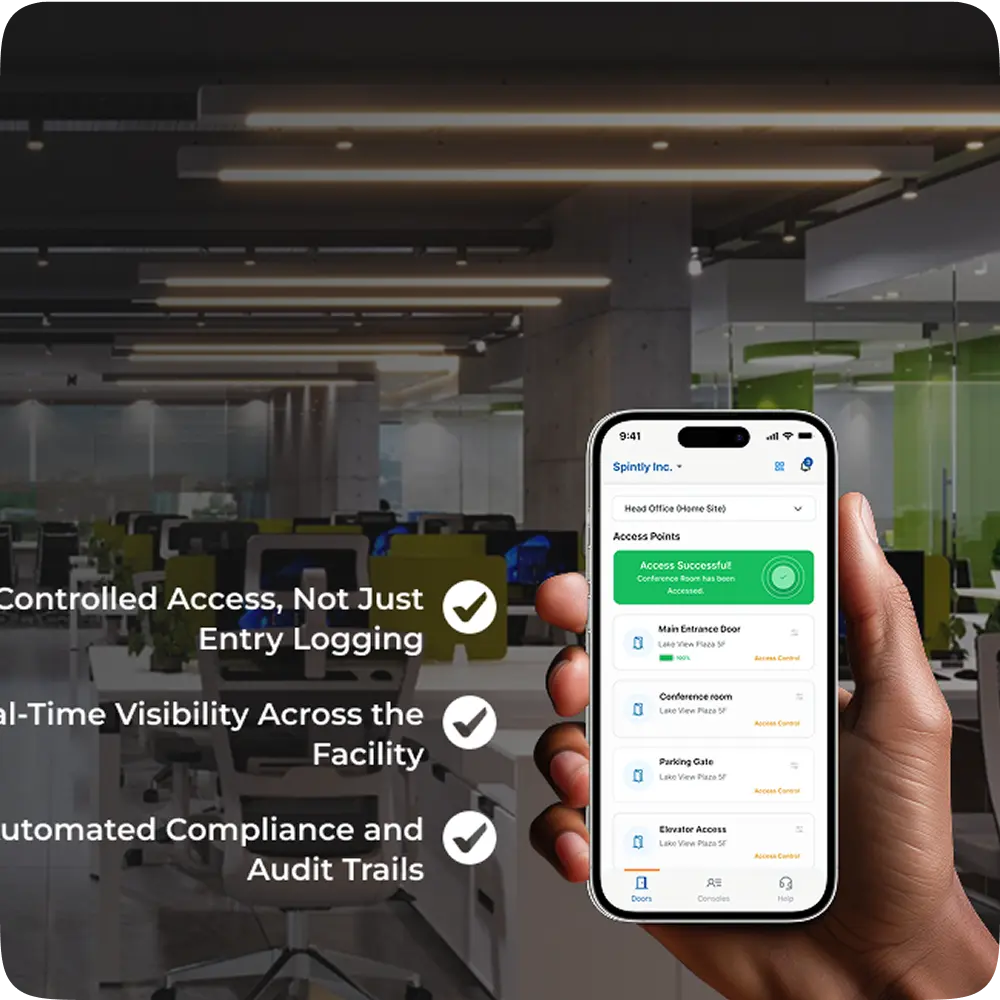
Inside Spintly’s Credential Management Platform- Architecture, Flow, and Core Benefits 10 min reading timeUpdated on May
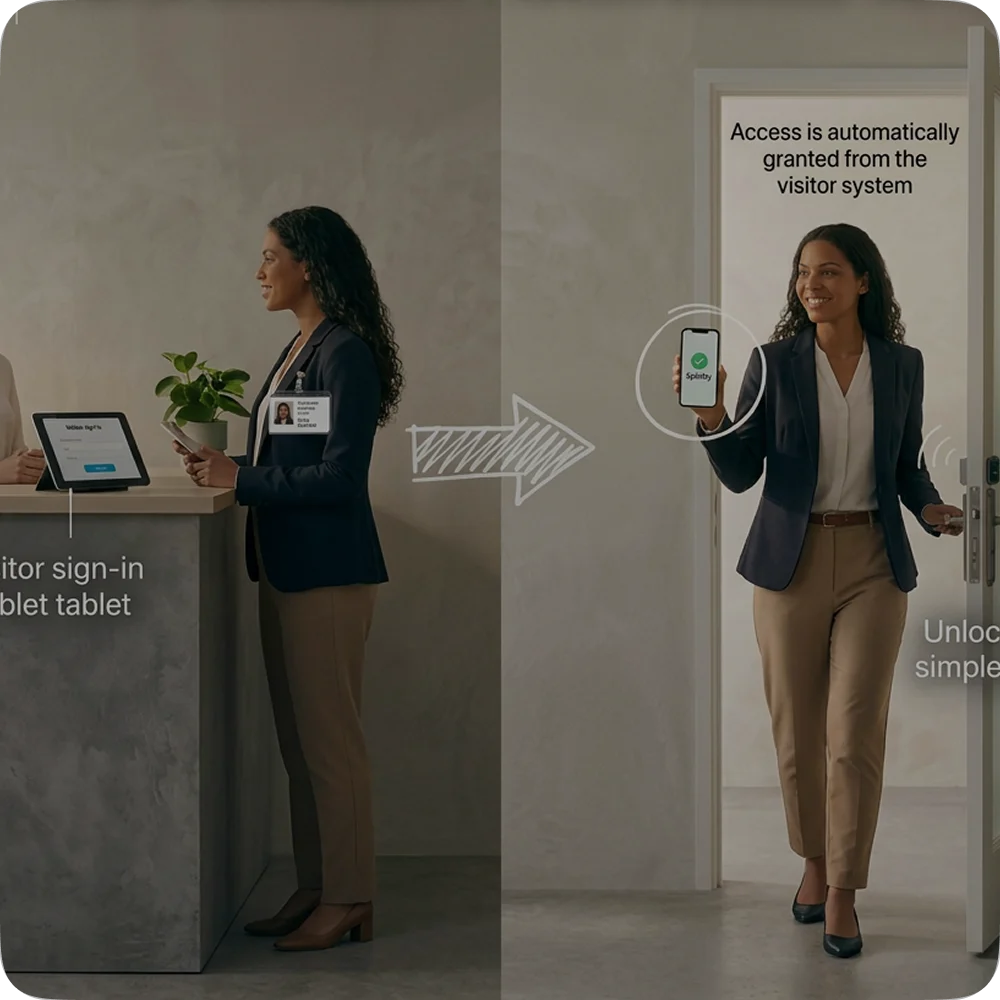
Visitor Management + Access Control: The Perfect Duo Walk into any modern workplace today, and you’ll
The Role of AI in Modern Access Control Systems Access control has always come down to
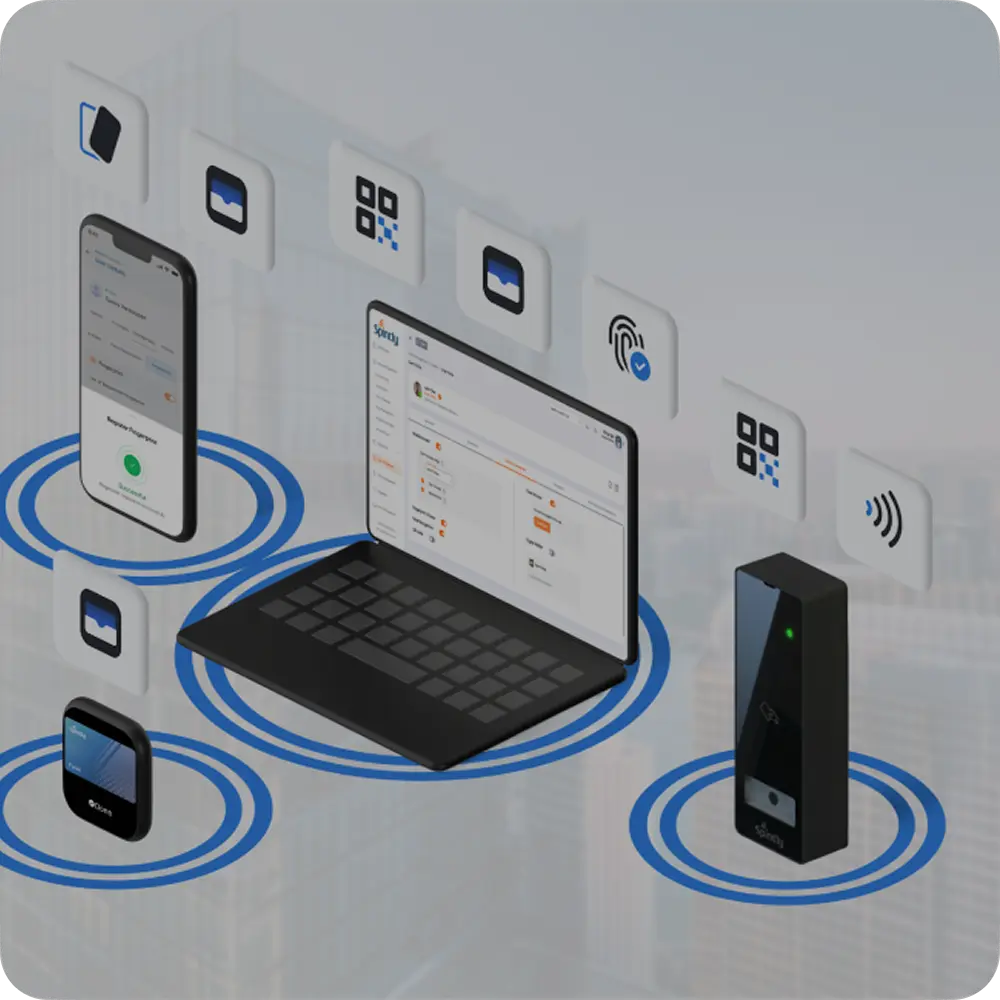
Introducing Scypher- Spintly’s Credential Management Platform for Digitising Access Control For decades, enterprise access control has
Inside Spintly’s Credential Management Platform- Architecture, Flow, and Core Benefits In the first blog, we discussed
Comparing Access Control Architectures: Wiegand vs OSDP vs BLE Mesh Access control systems rely on communication