Spintly

Introducing Scypher- Spintly’s Credential Management Platform for Digitising Access Control

For decades, enterprise access control has followed the same basic pattern.

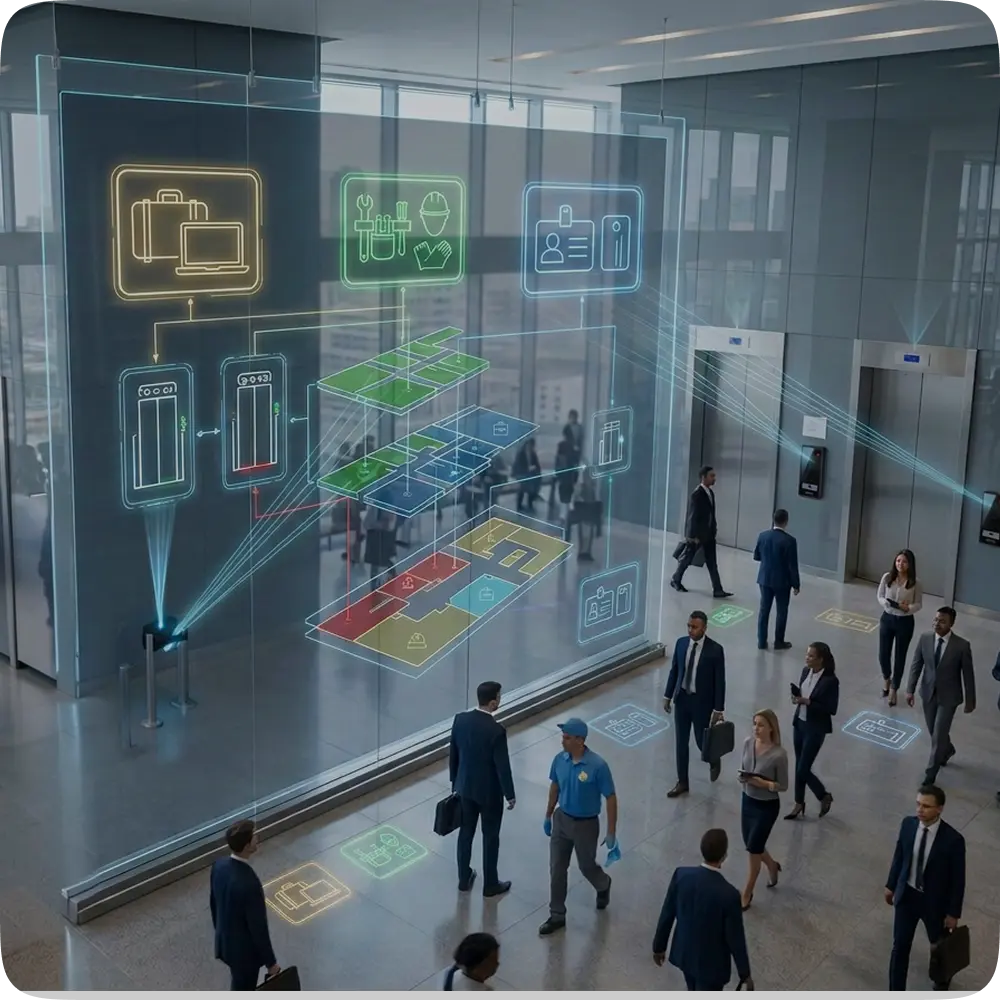
If you walk into most enterprise buildings today, the system looks modern on the surface. There are sleek readers at the door, controllers housed in panel rooms, and an admin console that has been running reliably for years. Doors open quickly, locks respond as expected, and from the outside, everything appears stable.

But behind the scenes, much of the workflow still reflects an earlier era.

When someone joins the organization, a physical card needs to be issued. That card is manually added to the system, permissions are configured, and the card is handed over. The same process repeats for contractors, visitors, tenants, and temporary staff often across multiple buildings and locations.

At a small scale, this approach works.
At enterprise scale, it introduces operational overhead and security risk.

The issue isn’t door performance or system uptime. It’s how credentials are issued, managed, and revoked consistently over time. As organizations grow, the number of users, systems, and access scenarios increases faster than traditional credential workflows were designed to handle. This creates gaps in visibility, control, response and costs in the long run.

That’s the gap Scypher is built to address.
Where Traditional Access Control Starts to Break Down

Most enterprises already have access control systems that work just fine. Doors open when they should, locks respond correctly, and controllers do what they’re designed to do. On paper, everything looks stable.

The problems don’t usually come from the system breaking.
They come from everyday situations.

Take a very common example. An employee forgets their access card at home on a day when they have an important meeting. They arrive at the office, realize the card isn’t with them, and suddenly something simple turns into a small ordeal. They wait at reception, explain the situation, request a temporary badge, coordinate with the facilities team, and fill out details they’ve likely filled out before. By the time they finally get access, they’re late, slightly stressed, and already off track for the day.

Nothing is technically wrong. The door works. The controller works. But the experience doesn’t.

When this happens repeatedly across employees, buildings, and teams, it quietly adds up. Facility teams get pulled into routine exceptions. Temporary access becomes a workaround instead of an edge case. Access control shifts from being invisible infrastructure to something people have to actively manage around.

Mobile access feels like the obvious answer. After all, people forget their cards far more often than their phones. But most mobile access solutions come with a heavy cost: replacing controllers or migrating to an entirely new access control system. That’s a risk most enterprises aren’t willing to take.

Cypher was built to remove that trade-off.

What Scypher Changes and What it Intentionally Leaves Untouched

Scypher doesn’t try to reinvent access control or replace systems that already work. It doesn’t change how doors make decisions, how controllers validate credentials, or how access policies are enforced.

Instead, Scypher focuses on the part traditional systems struggle with: credential lifecycle management.

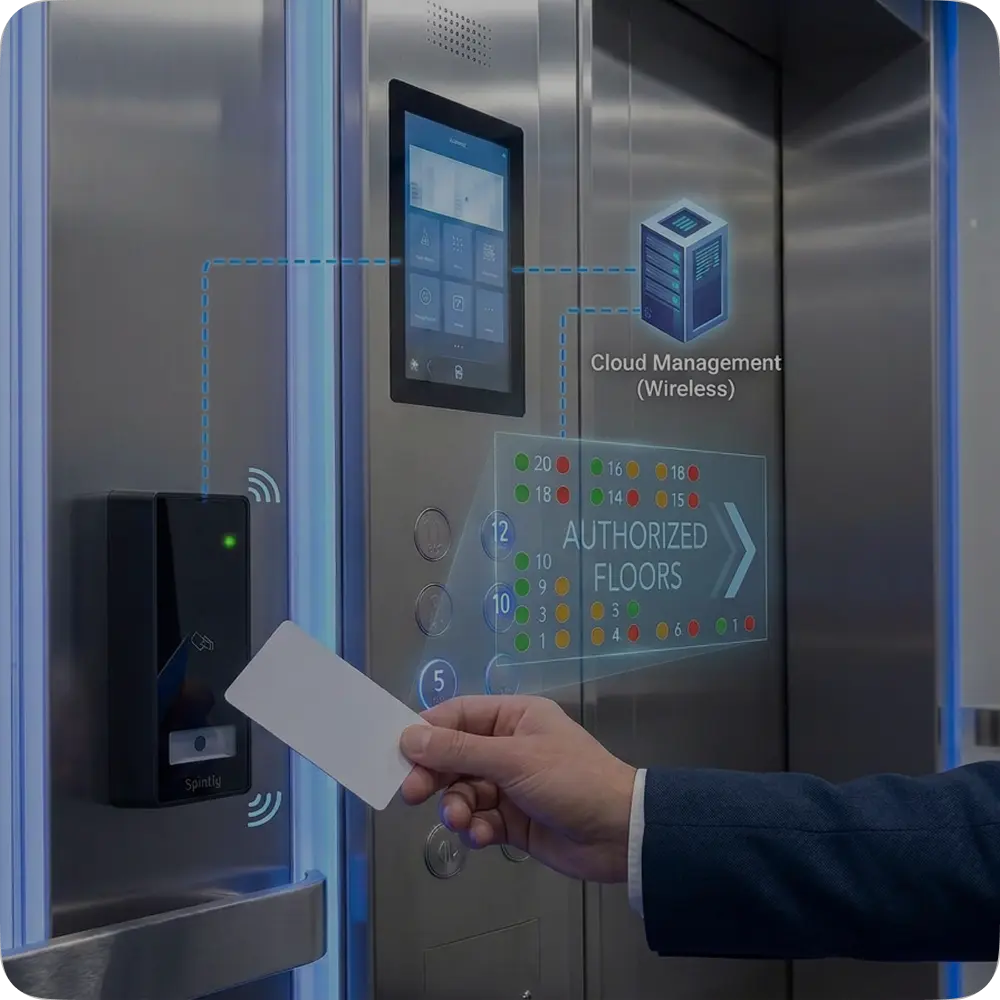
It centralizes how credentials are issued, activated, and revoked without touching access enforcement. Your Access Control System still defines permissions, controllers still validate credentials, and doors still unlock locally.

What changes is how credentials are created and managed. They become digital, centrally controlled, and easy to revoke at scale without disrupting existing infrastructure.

Moving From Cards to Phones, Without the Risk

Scypher is built with a mobile-first approach because phones have become the most natural identity carrier.

Using a smartphone, users can authenticate via tap-based intent, click based intent or QR based access:

  • NFC-based tap (similar to tapping a card)
  • BLE-based access, where the phone communicates over Bluetooth

Physical cards and other access modes are still supported, but credential management is primarily focused on mobile-based access.

A phone is harder to lose than a card.
A phone credential can be revoked instantly.
Permissions can change without issuing anything physical.

Readers, Controllers, and Why Real Buildings Still Use Wires

One important thing Scypher gets right is acknowledging how access control actually exists in the real world.

Spintly provides the reader.
Spintly does not force a new controller.

In many enterprise deployments:

  • Controllers already exist
  • Wiring from doors to controllers is already laid
  • Access logic is already tested and trusted

Scypher works within this reality.

Spintly readers have controller embedded in them and run in reader mode, meaning:

  • The reader captures the credential
  • It sends the credential to the existing controller over a wired interface
  • The controller checks permissions and unlocks the door

In new buildings or wireless-first setups, it is even more convenient and cost effective.

The philosophy is simple:
Adapt to the building, don’t force the building to adapt to you.

Your App Stays Your App

Another key part of Scypher is how mobile access reaches users. Scypher does not require users to install a separate Spintly app.

Instead:

  • Enterprises use their own mobile app
  • Spintly provides a Mobile SDK
  • That SDK is embedded inside the customer’s app

The SDK handles:

  • Secure communication with the reader
  • NFC, BLE, QR, and access intent handling
  • Credential storage and retrieval from the cloud

From the user’s point of view, access just feels like another feature inside the app they already use.

The Building Blocks behind Scypher

Scypher works because three components operate together:

  1. Scypher Credential Server (Cloud)
    Generates credentials, manages lifecycle, and acts as the central source of truth.
  2. Spintly Mobile SDK
    Embedded in the customer’s app, fetches credentials using a user identifier (employee ID, UUID, etc.) and handles mobile authentication.
  3. Spintly Reader
    Installed at the door, reads credentials from phones or cards and forwards them to the controller.

These three together form the credential management platform.

How a Credential Works: Traditional vs Scypher

Step

Traditional Access Control (Card)

Scypher-Enabled Access (Mobile)

Credential creation

Physical card is issued

Digital credential is generated in the cloud

Credential setup

Card ID is manually added to the controller

Credential is registered automatically with the controller

Credential delivery

Card is physically handed over

Credential is delivered to the user’s phone via SDK

User authentication

User taps the card on the reader

User taps phone or triggers mobile access

Access validation

Controller checks card ID and permissions

Controller checks credential ID and permissions

Door action

Door unlocks locally

Door unlocks locally

Who decides access

Controller

Controller

Access revocation

Manual removal required

Revoked centrally and synced automatically

Offline behaviour

Card may still work if not removed

Access stops once controller is updated

As enterprises grow, access control problems rarely show up as broken doors or failed hardware. They show up in small, everyday moments like delayed onboarding, forgotten cards, temporary access that isn’t so temporary, and revocations that depend on someone remembering to update the system.

Over time, these moments add up. What was once a reliable access setup starts to feel harder to manage, not because the system is failing, but because credential workflows haven’t kept pace with how organizations actually operate today.

Scypher exists to close that gap.

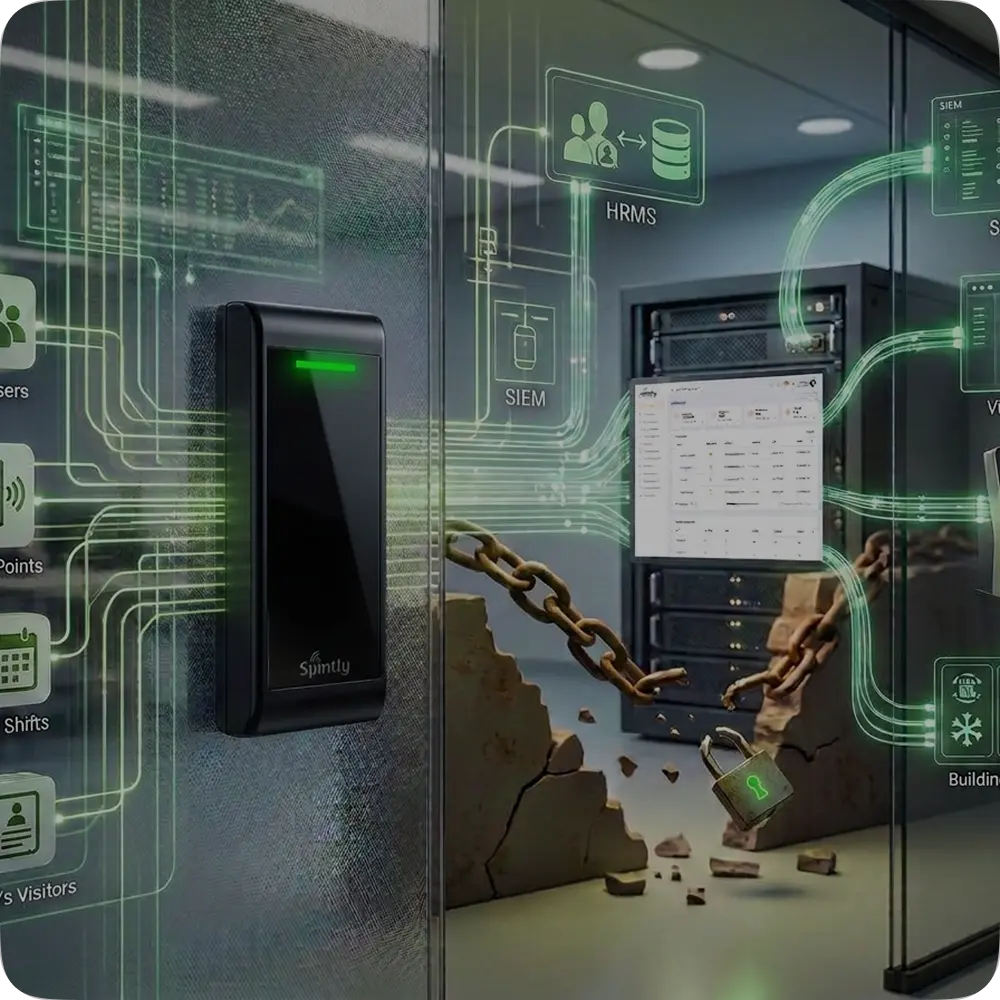
By centralizing how credentials are issued, managed, and revoked while leaving access enforcement with the controllers enterprises already trust Scypher modernises access control without destabilizing it. No rip-and-replace. No risky migrations. Just a cleaner, more responsive way to manage who has access, when they should have it, and when they shouldn’t.

In short, Scypher doesn’t change how doors work. It changes how confidently enterprises can manage access at scale!

Secure Your Property Today.

Connect with a Spintly Expert within 24 hours.

Get in touch

Explore more blogs