Spintly

NFC vs BLE: Which Is Better for Access Control?

Which Is Better for Access Control, NFC or BLE?

Traditional plastic access cards are gradually being replaced by mobile-based access control in more buildings. As smartphones take over as the new standard, two technologies typically come up in discussions: NFC and BLE.

Both let users use their phones to unlock doors.Physical cards are no longer necessary thanks to both.It is possible to deploy both safely.However, they function differently, and this distinction is important when creating a contemporary access control system.

Here are some things to consider when assessing or improving the infrastructure of your building. 
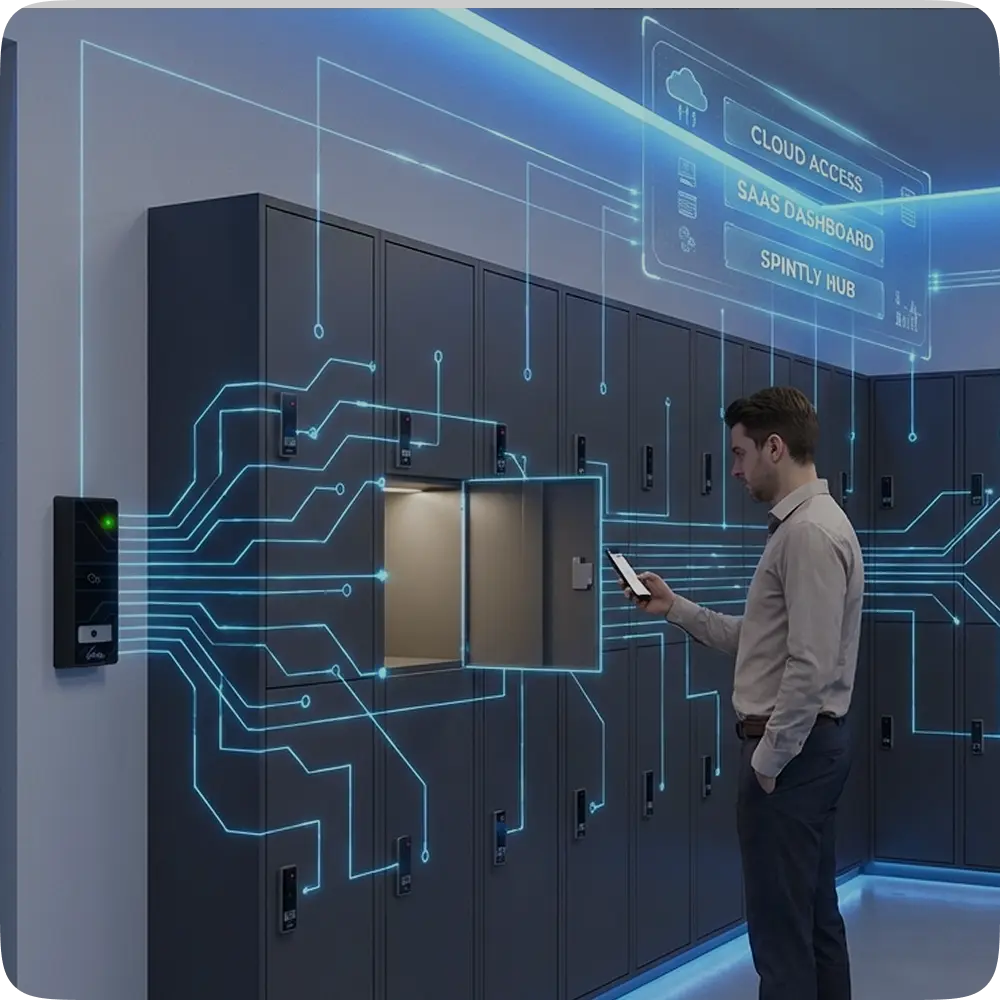
NFC in Access Control: What Is It?

A wireless technology with a short range is called NFC (Near Field Communication). The device must be held very close to the reader, usually within a few centimetres, for authentication to function.

Contactless payments use the same technology.

The procedure in an NFC access control system looks like this:

  1. The reader is close to the user’s smartphone.
  2. The qualification has been confirmed.
  3. The door opens and locks.

It’s an intentional exchange. To authenticate, the user consciously “taps.”

The Reasons NFC Is Effective

In access environments, NFC offers the following definite benefits:

  • Unintentional triggers are decreased by proximity-based validation.
  • User behaviour is predictable; tapping to enter is simple.
  • Low power consumption makes it perfect for hardware design that is efficient.
  • Because of its short range, there is little signal interference.


NFC provides structured access for restricted departments or executive floors, which are controlled areas where deliberate authentication is desired. It may not always feel seamless in busy settings, though, because it necessitates close contact.

BLE in Access Control: What Is It?

Bluetooth Low Energy, or BLE, has a greater range. Devices can be authenticated by BLE from a distance of several metres, depending on the configuration.This completely alters the access experience.

In an access control system based on BLE:

  • The reader is wirelessly connected to the user’s phone.
  • When the device is still in a pocket or bag, authentication may take place.
  • Entry may seem nearly automatic.

What many refer to as “hands-free access” is made possible by BLE.

The Reasons BLE Is Common in Contemporary Structures

In settings where flow is important, BLE facilitates easier entry:

  • Business headquartersCo-working spaces
  • Huge business structures
  • Properties with multiple tenants

Users can navigate through entry points naturally rather than pausing to tap.

Administrators can specify how close a user must be before authentication is triggered by configuring range settings.Nevertheless, due to the remote nature of BLE, proper implementation of encryption and credential management is necessary. Security is determined by the overall system architecture, not just the communication protocol.

Crucial Differences Between NFC and BLE

Experience of the User

  • NFC: purposeful, tap-based
  • BLE: smooth and hands-free

Ideal Fit

  • NFC: Structured access and controlled zones
  • BLE: Environments with high traffic and no friction

For centralised administration, both can be incorporated into an access control system that runs on the cloud.

Which Is Safer?

The design of the access control platform has a greater impact on security than the wireless protocol.

A safe system ought to permit:

  • Instantaneous issuance of credentials
  • Immediate cancellation
  • Role-based permissions for access
  • Audit trails and activity logs
  • Centralised control over the dashboard
  • Management of multiple sites

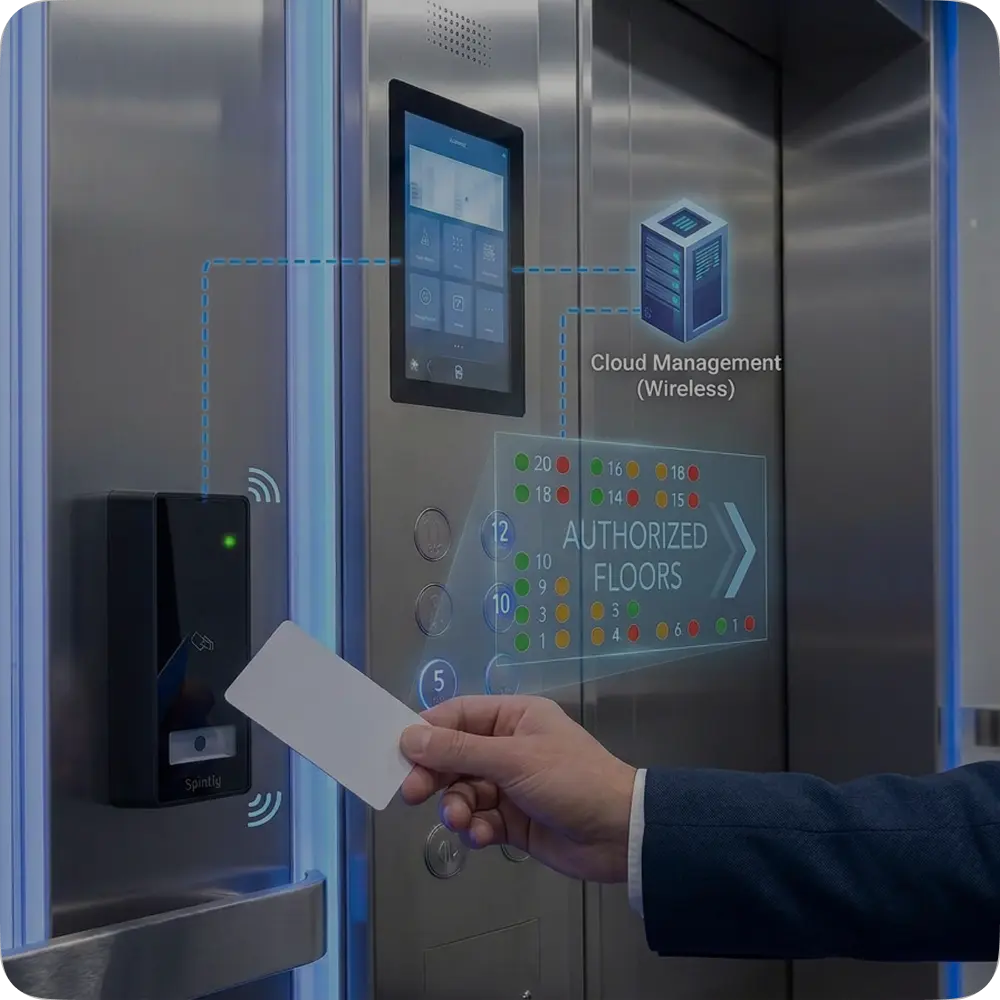
Both NFC and BLE are capable of meeting enterprise-grade security standards when implemented within a well-designed cloud ecosystem.

Even the most sophisticated wireless protocol won’t make up for a system lacking remote management or centralised governance. 

Here is a practical comparison between the two:

Range

  • NFC: A couple of centimetres
  • BLE: Adjustable, usually a few metres

Selecting Depending on the Type of Building

The kind of environment you oversee will often determine the best option.

NFC might be more appropriate in:

  • Access must seem deliberate and managed.
  • Deliberate authentication is necessary in compliance-sensitive areas.
  • Conventional RFID cards are being replaced.

BLE might be more appropriate in:

  • The flow of entry must be quick and frictionless.
  • Every day, a lot of workers or renters pass through.
  • You’re creating a smart building experience that prioritises mobile devices.


Both use cases are increasingly included in the same property in contemporary developments.

Why Adaptability Is More Important Than Protocol

The question isn’t always NFC or BLE in practice. The question is whether your access control system can accommodate both without requiring significant hardware modifications down the road.

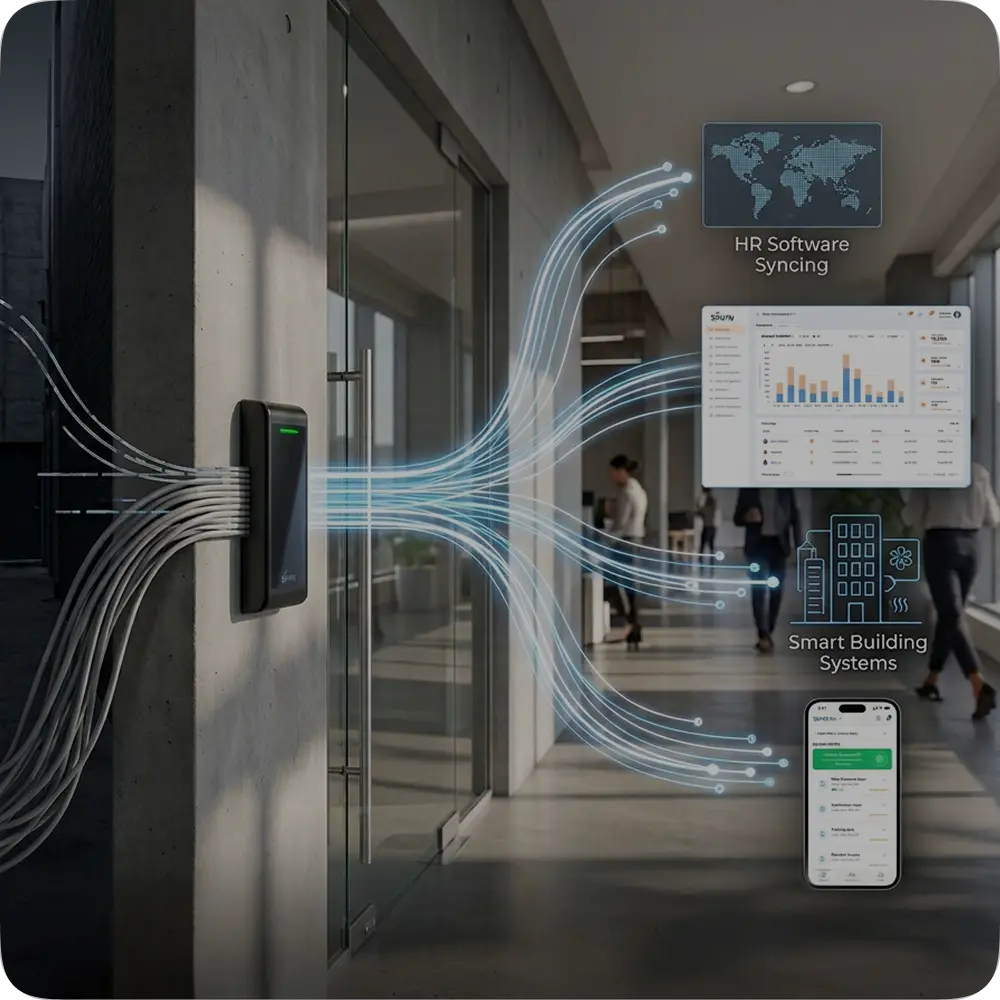
As buildings get more intelligent, access control links to:


NFC, BLE, QR, and mobile credential types should all be supported by a contemporary access control platform within a single, cloud-managed infrastructure. This adaptability guarantees that your building can change to meet changing user needs and technological advancements. 

The More Intelligent Method of Mobile Access Control

It’s easy to concentrate on technical distinctions when comparing NFC and BLE.

Here is a practical comparison between the two:

Range

  • NFC: A couple of centimetres
  • BLE: Adjustable, usually a few metres

However, the platform-level decision is more significant:

  • Is the system scalable and wireless?
  • Is it possible to remotely manage credentials?
  • Does it offer visibility in real time?
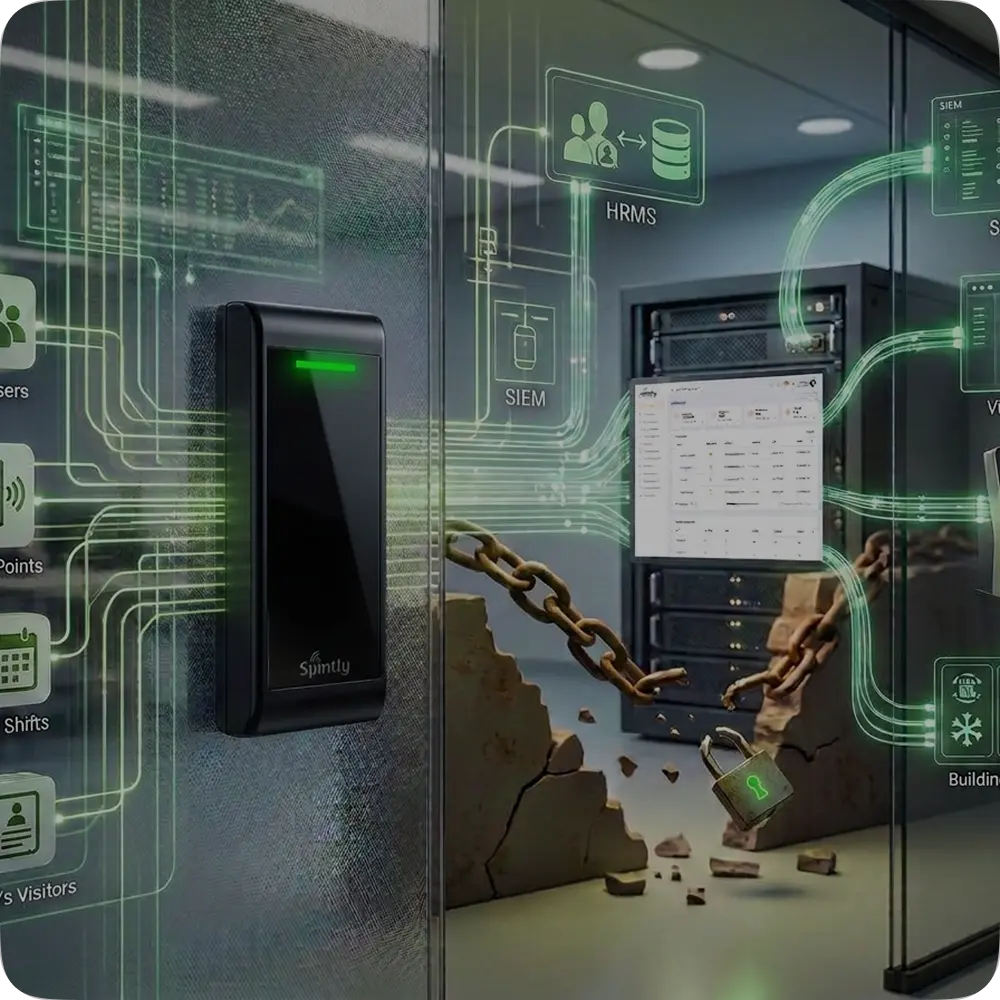
  • Is it possible for it to interface with current enterprise systems?


An access control system that is prepared for the future should be able to accommodate new technologies without limiting you to using just one.Because of this, cloud-native systems – which support NFC, BLE, and other digital credentials – are fast taking the lead in smart building and contemporary office design.

Concluding remarks

NFC offers structured, proximity-based authentication.BLE delivers seamless, mobile-first convenience. Neither is universally superior. The right choice depends on your building’s traffic patterns, security requirements, and user experience goals. But if you’re planning long-term infrastructure, the most strategic move isn’t choosing one over the other. It’s choosing a flexible, cloud-based access control platform that supports both – securely, centrally, and at scale. Because modern access control isn’t just about unlocking doors. It’s about designing infrastructure that evolves with your building.

Secure Your Property Today.

Connect with a Spintly Expert within 24 hours.

Get in touch

Explore more blogs