Spintly

The Role of AI in Modern Access Control Systems

Access control has always come down to a basic decision. Who gets in, and who does not.

For a long time, that decision relied on fixed credentials like keys, cards, or PINs. If the input matched, access was granted. If it did not, the door stayed shut. Simple, reliable, but built for a much more predictable world.

That world has changed.

Workplaces today are fluid. Teams are hybrid, offices are shared, and there is a constant flow of visitors, vendors, and external partners. At the same time, security risks have become less obvious and more nuanced. Static systems struggle to keep up with this kind of environment.

This is where AI starts to make a real difference.
From Static Rules to Learning Systems

Traditional access control works on predefined permissions. Someone assigns access, and it stays that way until it is manually updated.

AI shifts this model slightly.

Instead of only verifying credentials, systems can begin to observe usage. They pick up on patterns over time. Who accesses which areas, at what time, and how often. Gradually, a sense of what is normal starts to form.

Once that baseline exists, the system can respond more intelligently.

  • Spotting access attempts that fall outside usual patterns

  • Highlighting behavior that feels inconsistent

  • Suggesting changes to permissions based on actual usage

For example, if someone who typically accesses the office during the day suddenly attempts entry late at night in a restricted zone, the system can flag it. Not because the credential failed, but because the behavior stands out.

Looking Beyond the Credential

Older systems tend to trust credentials completely.

AI adds another layer by focusing on behavior.

It looks at how access is being used, not just whether it is technically valid.

  • Does this request align with past activity?

  • Is the location relevant to the person’s role?

  • Are there overlapping access attempts from different locations?

These kinds of signals help surface risks that are otherwise easy to miss. This becomes especially useful in cases where credentials are shared, misused, or compromised.

Touchless Access and Visual Intelligence

AI has also pushed the shift toward touchless systems.

Facial recognition is one example, but it has evolved well beyond basic matching. Modern systems can handle variations in lighting, angles, and partial visibility, making them more usable in everyday conditions.

Computer vision adds another layer.

  • Detecting if multiple people enter using a single access event
  • Monitoring entry points without constant human oversight
  • Strengthening verification in sensitive areas


These features improve both security and convenience, though they do require careful handling of privacy and data.

Access That Adapts to Context

Another change worth noting is the move toward context-aware access.

Instead of fixed permissions, access decisions can adapt based on different factors.

  • Time of access

  • Location

  • Device used

  • Past behavior patterns

So access during regular hours might be straightforward, while the same request outside those hours could trigger an extra step. The idea is to reduce risk without adding unnecessary friction.

Cutting Down Manual Work

Managing access manually is time-consuming and often inconsistent.

Security teams spend a lot of time assigning permissions, reviewing logs, and responding to alerts. AI helps reduce some of that load.

  • Permissions can be suggested based on roles and usage

  • Logs can be filtered to highlight what actually matters

  • Alerts can be prioritized based on potential risk

This does not remove the need for human judgment, but it does make the process more efficient.

Making Use of Access Data

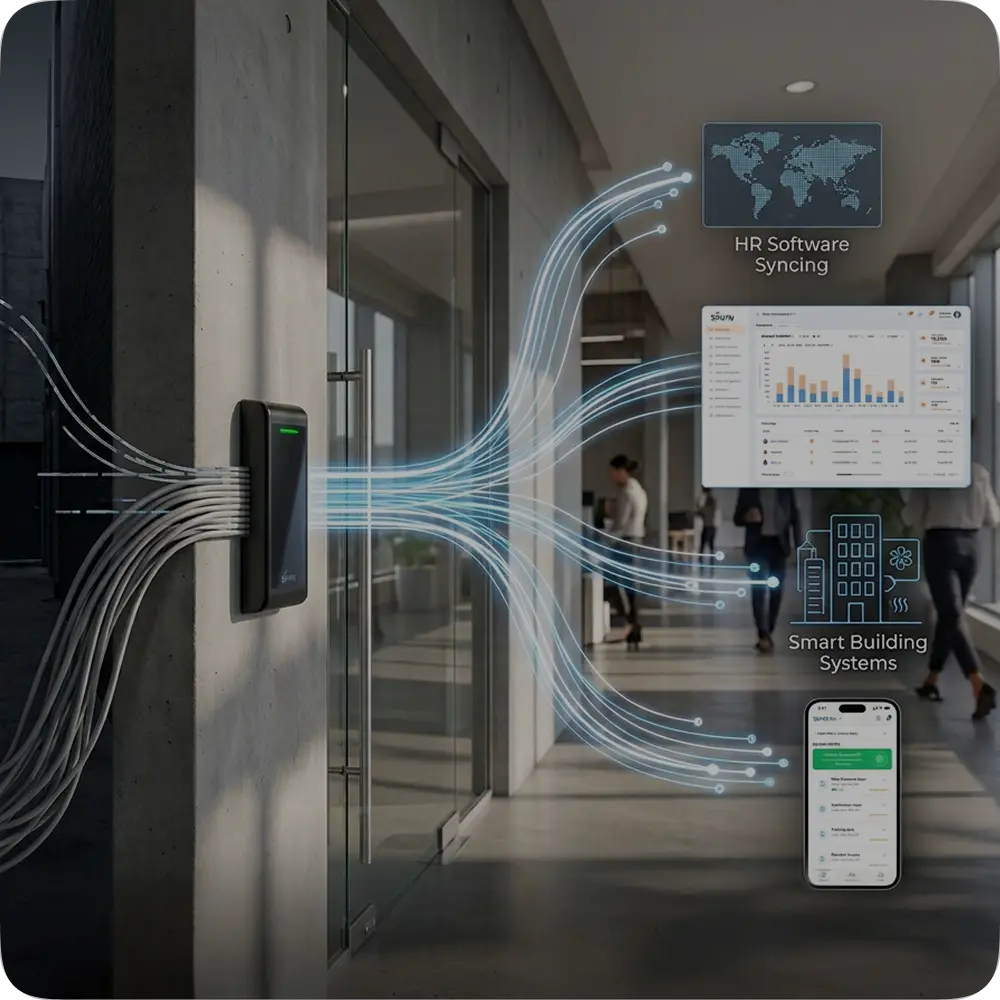
Access systems generate a steady stream of data. Entry logs, timestamps, movement patterns.

Without proper analysis, most of this data goes unused.

AI changes that by making the data easier to interpret.

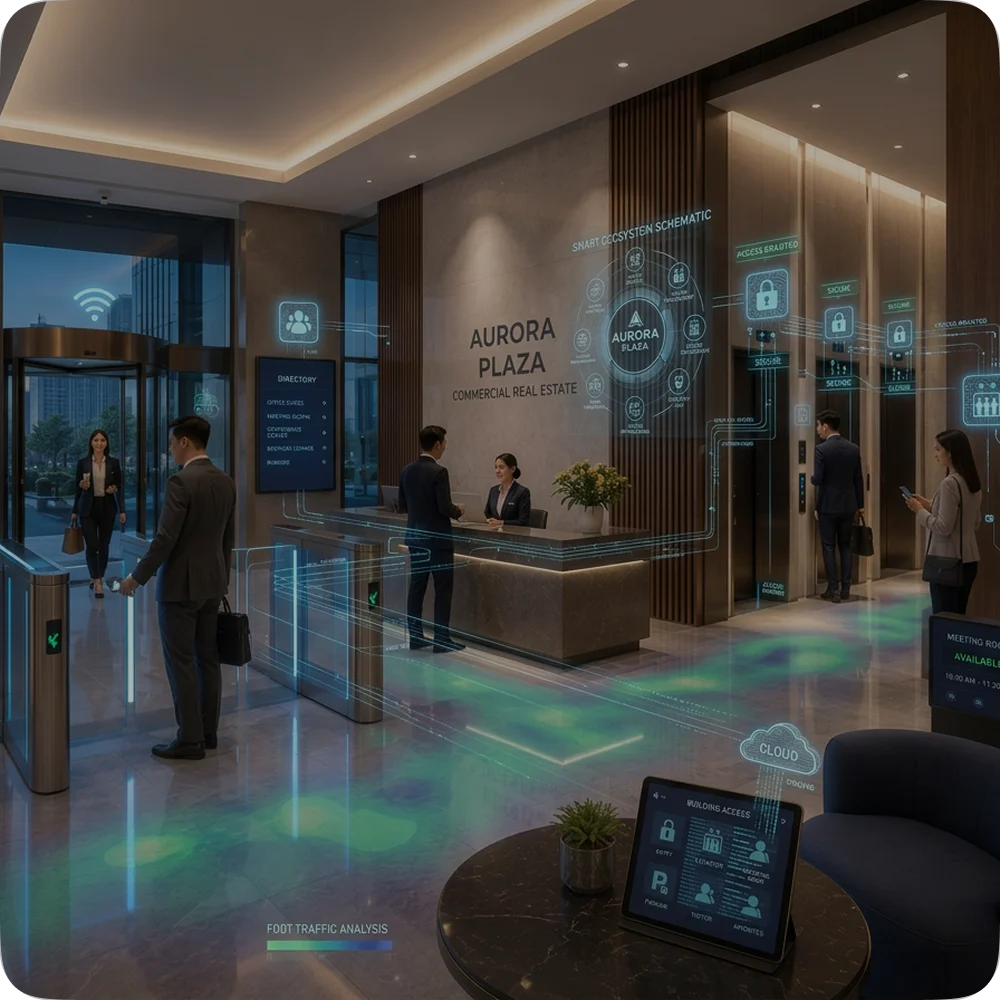
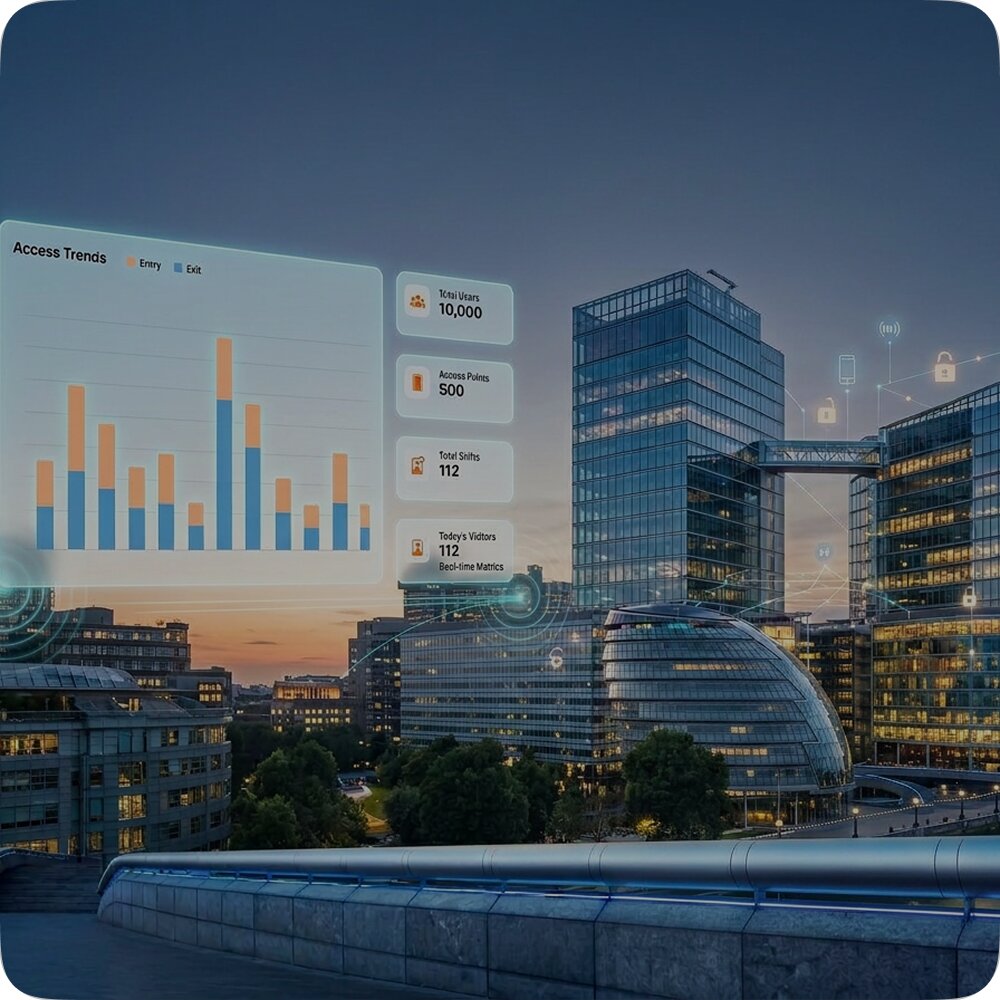
Organizations can start to see patterns like peak entry times, frequently accessed zones, or irregular activity. These insights can influence not just security decisions, but also how spaces are managed and optimized.

Responsibility Still Matters

With AI comes a certain level of responsibility.

Systems that rely on behavioral data or biometrics need to be designed with privacy in mind. Clear policies, secure storage, and regulatory compliance are essential.

It is important that these systems build trust rather than raise concerns.

What Lies Ahead

Access control is gradually shifting from a static system to something more responsive and aware.

AI will continue to shape this transition.

We are likely to see systems that anticipate risks earlier, adapt more smoothly, and require less manual intervention. Ideally, access becomes something that just works, without users needing to think about it.

Where Spintly Fits In

As this shift continues, the role of the platform becomes more important.

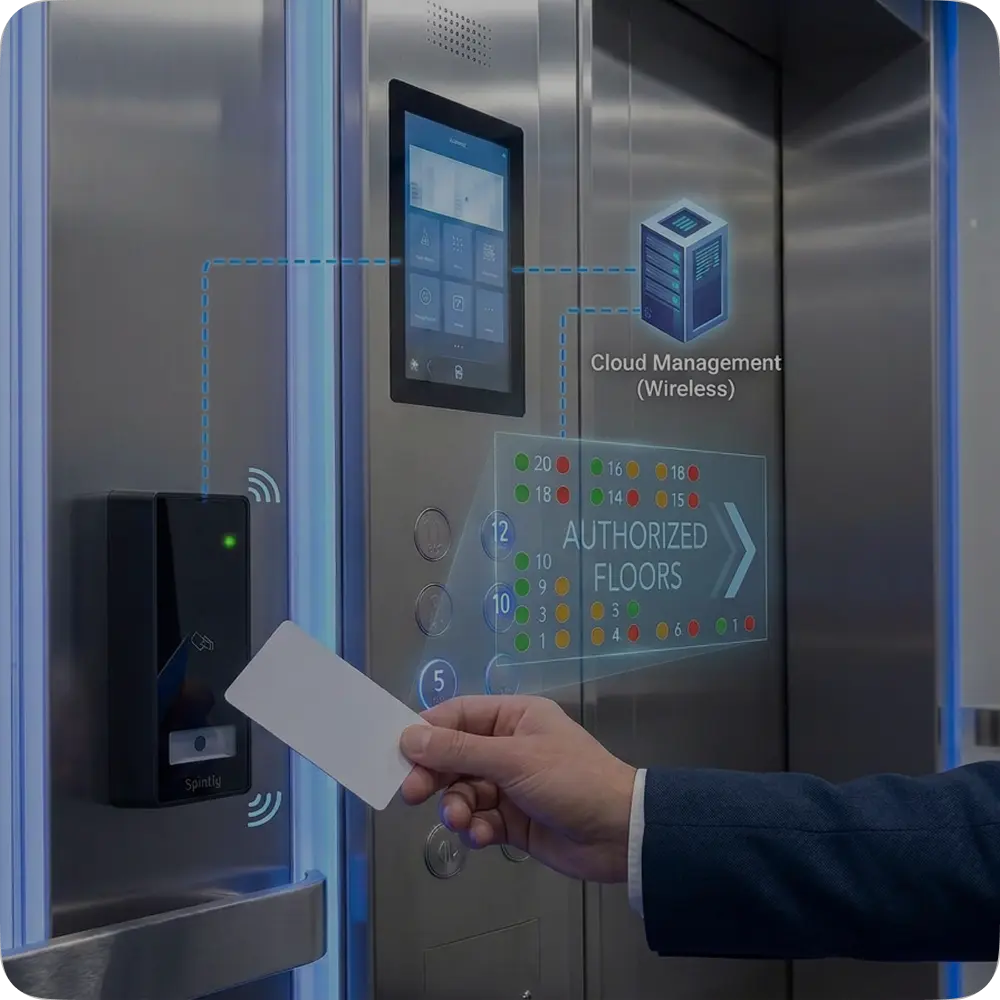
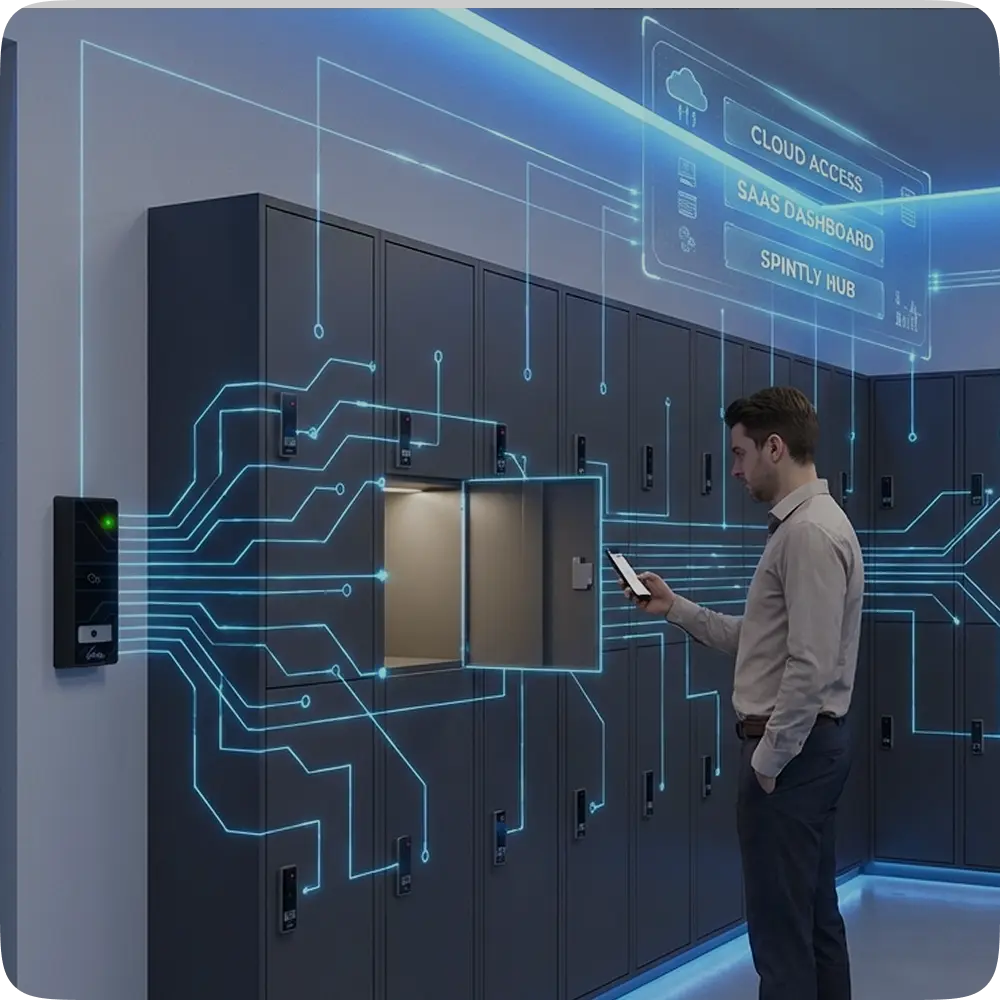
Spintly approaches access control from a cloud-first perspective, making it easier to manage permissions, monitor activity, and scale across locations. Mobile-based access and centralized control allow organizations to stay flexible as their needs evolve. This kind of foundation makes it easier to adopt newer capabilities, including AI-driven insights, without reworking the entire system. At its core, access control is not only about restriction. It is about enabling the right access at the right time, while quietly preventing everything else.

Secure Your Property Today.

Connect with a Spintly Expert within 24 hours.

Get in touch

Explore more blogs