












Manual vs Automated Attendance Systems: Pros and Cons

Keeping track of employee attendance has always been a critical part of workforce management. Accurate attendance data impacts payroll processing, leave tracking, employee performance analysis, and regulatory compliance. Traditionally, many organizations relied on manual systems like paper registers or punch cards. However, with digital transformation accelerating across sectors, automated attendance management systems are fast becoming the norm.
So, what’s the better choice for your organization: a manual or an automated attendance management system?
In this blog, we explore both approaches, highlight their advantages and disadvantages, and help you understand which system aligns better with the needs of a modern workplace.
Understanding Manual Attendance Systems
Manual attendance systems involve recording employee check-ins and check-outs through physical means. Common examples include:
- Paper-based registers
- Time cards or punch clocks
- Excel-based attendance spreadsheets
These systems are simple to use, inexpensive to implement, and don’t require a steep learning curve. For very small businesses with a limited number of employees, this method might seem sufficient.
However, as your business scales, so do the challenges of managing data manually.
Pros of Manual Attendance Systems
- Low Initial Cost
Manual systems require minimal investment — no hardware or software purchases are necessary. This can be appealing for startups or organizations with budget constraints. - Simplicity
Employees and administrators alike may find manual systems easy to understand and operate without training. - No Internet Dependency
Manual logs can be maintained without relying on internet connectivity or cloud access, which might suit businesses in remote areas.
Cons of Manual Attendance Systems
- Human Error
Manual entries are highly prone to errors — missed check-ins, incorrect time entries, or even duplicate logs. Over time, these inaccuracies can affect payroll and productivity assessments. - Susceptibility to Fraud
Manual systems make it easier for employees to “buddy punch” — marking attendance for absent coworkers. This leads to lost productivity and dishonest reporting. - Time-Consuming and Labor-Intensive
HR or admin staff must manually review logs, calculate hours, and compile reports — consuming valuable time that could be spent on strategic tasks. - Limited Scalability
As your workforce grows, maintaining and auditing physical logs becomes increasingly difficult. Multiple locations or hybrid teams only add to the complexity.
Understanding Automated Attendance Systems
An automated attendance management system leverages technology to track attendance in real-time. This includes:
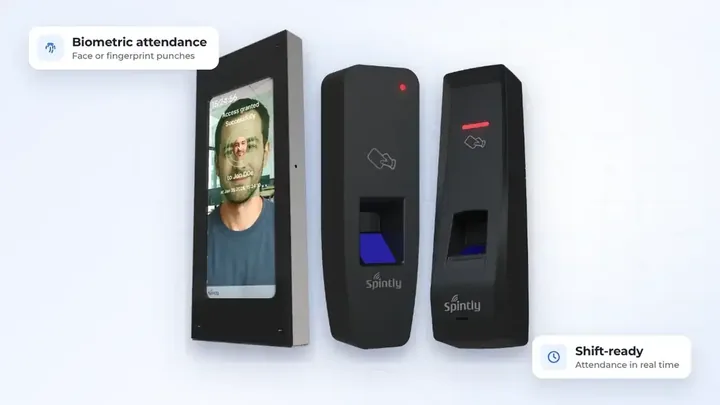
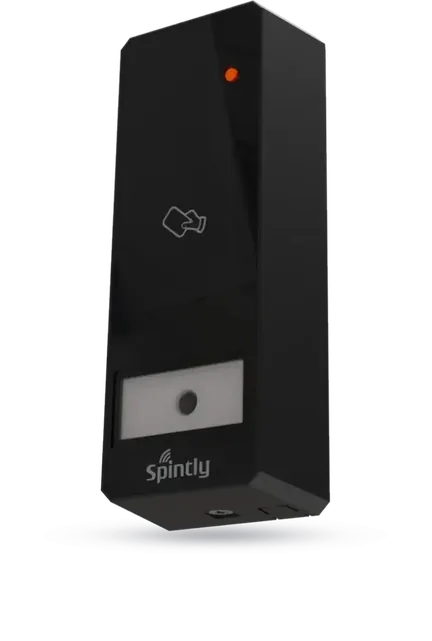
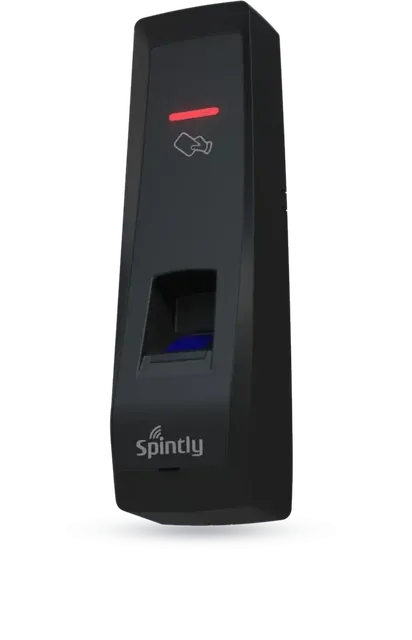
- Biometric devices (fingerprint or facial recognition)
- Mobile-based check-in apps with GPS validation
- Cloud-based dashboards for centralized monitoring
These systems offer greater accuracy, efficiency, and flexibility — making them a popular choice among businesses aiming to modernize their operations.
Pros of Automated Attendance Systems
- Accuracy and Reliability
Automated systems drastically reduce the risk of human error. Whether it’s biometric data or GPS-based check-ins, time logs are captured precisely and consistently. - Prevention of Time Theft
Biometric authentication or mobile-based credentials make buddy punching virtually impossible. Each employee must be physically present to log attendance. - Real-Time Monitoring
With a cloud-based attendance management system, managers can view attendance in real time — even across multiple locations or departments. This is especially useful in hybrid or remote work models. - Easy Integration with Payroll and HRMS
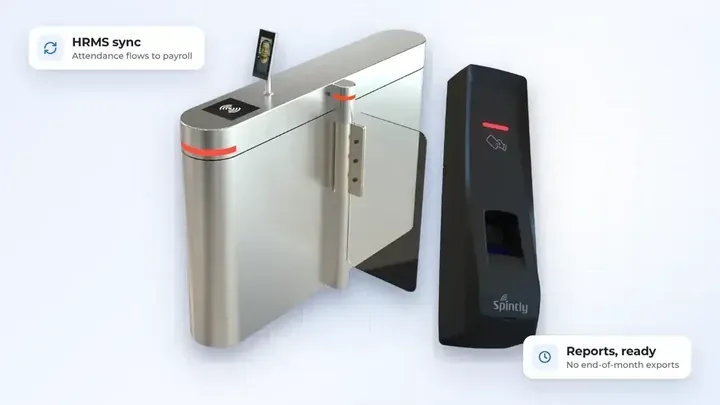
Many modern platforms, like those offered by Spintly, seamlessly integrate with payroll systems, leave management, and other HR software. This eliminates redundant data entry and speeds up payroll processing. - Customizable Reporting and Analytics
An automated system can generate attendance reports, calculate overtime, track absenteeism, and identify patterns — providing valuable insights into workforce behavior. - Scalability
Whether your organization has 10 employees or 10,000, automated attendance systems scale easily with your needs.
Cons of Automated Attendance Systems
- Initial Setup Cost
Automated systems often require upfront investment in biometric devices, software licenses, or cloud subscriptions. However, many companies find that the long-term ROI justifies the cost. - Internet Dependency
Some cloud-based solutions rely on internet access. However, leading vendors offer offline data caching and sync capabilities to ensure uninterrupted functioning. - Training and Change Management
Switching to an automated system might require user training and adjustments in workplace routines. That said, most systems today are user-friendly and intuitive.
Why More Companies Are Moving to Automation
Modern organizations are embracing automation across every function — finance, customer support, marketing, and HR. Attendance tracking is no exception. The benefits of reduced administrative effort, enhanced transparency, and real-time visibility are too significant to ignore.
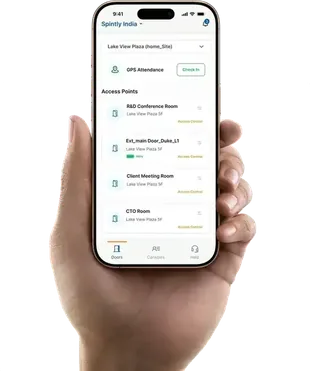
Solutions like Spintly offer a cloud-based attendance management system that’s designed for flexibility and simplicity. With features like mobile check-ins, facial recognition, Bluetooth access, and seamless integration with payroll and access control, Spintly enables businesses to shift from outdated processes to streamlined, future-ready operations.
Conclusion
Choosing the right attendance management system is more than a matter of convenience — it’s a strategic move that impacts your organization’s productivity, compliance, and culture. While manual systems may still work for a handful of use cases, they fall short in a fast-paced, digitally driven environment.
If your organization values accuracy, efficiency, and transparency, then investing in an automated system is the smart move forward. With scalable, mobile-first solutions now available, businesses of all sizes can easily make the transition and start realizing the benefits.
Explore flexible, intuitive attendance solutions like those from Spintly, and make workforce management one less thing to worry about.